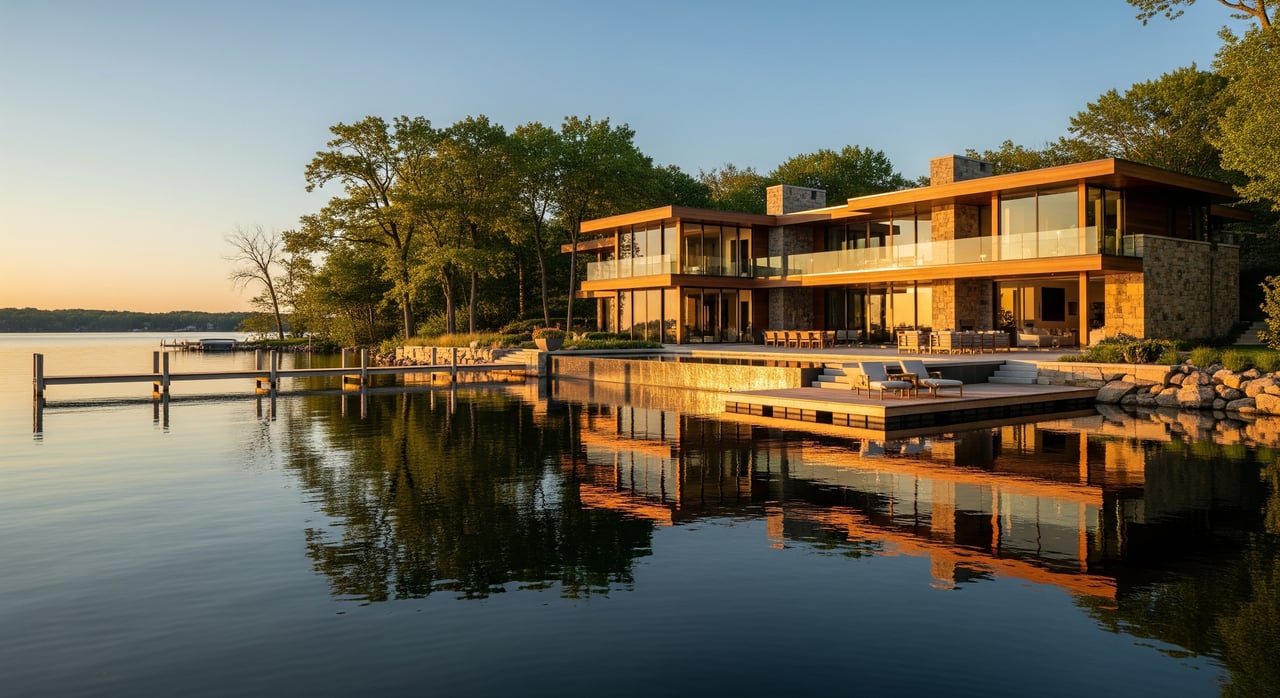
Pricing your Minnetonka home is not one-size-fits-all. Lakeshore, micro-neighborhoods, and seasonal demand can swing value and negotiations in a big way. If you want strong offers without leaving money on the table, the right pricing strategy is critical. In this guide, you will learn how to read the local market, pick the right comps, account for lake proximity, and choose a strategy that maximizes your net. Let’s dive in.
Understand Minnetonka buyer demand
Minnetonka sits in the Twin Cities suburban market, shaped by jobs in Minneapolis and the western suburbs. Many buyers also consider schools, commute time, lot type, and nearby lakes. This combination sets the stage for pricing and how quickly you see offers.
Different buyer groups value different features. Families often prioritize yard size, bedroom count, and finished living space. Move-up and affluent buyers tend to seek renovated homes, larger lots, and proximity to lakes. Downsizers often look for low-maintenance living and single-level layouts. Second-home and lifestyle buyers value water frontage, docks, and privacy.
Seasonality matters. Spring and early summer usually bring stronger interest for non-waterfront homes. For lake properties, the warm months are key, since water and landscaping show at their best and amplify buyer response.
Use Minnetonka-specific comps
Picking the right comparable sales is the backbone of good pricing. You want recent, nearby, and truly similar homes whenever possible.
Select the right sales
- Start with closed sales from the last 3 to 6 months. If activity is slower, you can extend to 6 to 12 months.
- Stay in the same micro-neighborhood or even the same block when possible. Expand outward only when you have to.
- For waterfront, focus on the same lake or the same section of Lake Minnetonka, since different bays and shorelines trade differently.
- Match key features: lot type, square footage, bed and bath count, finished basement, garage size, age and quality of construction, and major upgrades.
Make the right adjustments
- Water frontage and access: Private direct frontage with a dock or boathouse typically commands a premium over shared or public access. Adjust for frontage width, depth, and shoreline improvements.
- Lake quality and navigability: Larger, fully navigable areas trade differently than shallow bays or marshy edges. This shows up in both price and buyer competition.
- Lot elevation and risk: Elevated lots with good shore protection can price higher than low, flood-prone sites.
- View and orientation: Unobstructed views are worth more than partial views.
- Renovations and systems: Updated kitchens and baths, as well as newer mechanicals, deserve credit. Deferred maintenance should be discounted.
- Seasonal bias: Summer waterfront sales can fetch premiums compared to winter closings. Adjust your expectations accordingly.
When comps are sparse
Unique waterfront or higher-end homes often have few clean comps. In that case, consider these tools:
- Paired-sale method to estimate the value of a specific feature.
- Cost approach when land value dominates and improvements are newer or standard.
- Competitive listings and pendings as signals. These guide strategy, but closed sales are what lenders and appraisers rely on.
Lake proximity changes pricing
Water access is one of the most powerful pricing variables in Minnetonka. It affects both value and negotiation dynamics.
- Direct water frontage: This is the top tier for pricing and tends to have the narrowest comp pool.
- Water-view: Commands a premium over inland, but less than direct frontage.
- Lake access through an association or deeded rights: Typically prices between water-view and direct frontage.
- Near-lake proximity: Being within easy walking distance may add a modest premium, depending on access and landscape.
For waterfront, precision matters. Premiums can be large, but each shoreline is unique. Overpricing reduces early traffic and can extend your days on market. Appraisals can also be challenging when comps are scarce, which can trigger appraisal gaps. Buyers may need to bridge the gap with cash or waive contingencies, so you want to anticipate that during pricing.
Shoreline-specific disclosures also influence leverage. Items such as stabilization, septic or sewer status, and riparian rights affect buyer confidence. If inspections reveal erosion or restrictions, you may face concessions or a reprice unless you address them upfront.
Choose the right pricing strategy
Your pricing tactic should match the property type, season, and current inventory. Here are proven approaches and when to use them.
- Competitive pricing: List near the midpoint of a tight comparative market analysis to attract strong early activity. This often produces multiple offers within the first 1 to 2 weeks.
- Strategic underpricing: Set the list slightly under a psychological threshold, such as 499,900 instead of 500,000, to expand the buyer pool. This works best for entry-level segments or highly desirable lakefront when demand is strong. It carries risk if multiple offers do not materialize.
- Price-band placement: Position just below common buyer search filters to increase visibility. This is effective, but in higher tiers with fewer buyers, results can be less predictable.
- Value-based or aspirational pricing: A higher list can target a stretch result if you are not time-sensitive. It increases the risk of extended days on market, price cuts, appraisal shortfalls, and buyer skepticism.
- Test-and-reduce approach: Starting high and cutting later can work if you have time. However, reductions after 2 to 4 weeks often correlate with fewer offers and a lower final price compared to nailing it at launch.
Timing and seasonal strategy
Timing helps your price do more work for you. Spring and early summer are prime listing windows for most Minnetonka homes. For waterfront, warm months let you showcase the shoreline, dock, and views, which can boost showing traffic and offer strength.
If you need to list off-season, lean on staging, lighting, and strong visuals to counter weaker foot traffic. For lakeshore, consider fresh exterior and drone photography when the water and landscaping present well, then launch when buyers are most active.
DOM and your net proceeds
Early traction is powerful. Many offers arrive within the first 7 to 14 days if the price is on point. That early momentum often leads to better price and stronger terms.
Multiple price reductions send a negative signal. One well-timed, data-driven adjustment can be better than a string of small cuts. You want to correct quickly and regain momentum if the initial list did not land.
Carry costs add up as days on market increase. Mortgage, taxes, insurance, HOA fees, and maintenance erode your net while the home sits. Balancing patience with a competitive list price can protect your bottom line.
Negotiation tactics that support price
The right tactics amplify your pricing strategy. You want to shape the offer environment to your advantage.
- Set an offer deadline during days 5 to 10 if activity is strong. This can concentrate buyers and encourage clean terms.
- Use escalation clauses or best-and-final requests when multiple offers occur. Know your acceptable net after fees and possible concessions.
- Consider pre-sale inspections and thorough disclosures. Investing upfront can reduce repair negotiations and attract more certain offers.
- Discuss appraisal gap language with qualified buyers in competitive scenarios. Also, set clear timelines for financing contingencies to balance protection and risk.
Pre-pricing checklist
Use this list to prepare a Minnetonka listing that prices right and sells well:
- Order a current CMA focused on the micro-neighborhood and, for waterfront, the same lake or bay.
- Verify lot encumbrances, riparian rights, and shoreline permits through local records.
- Obtain a pre-listing inspection to surface deferred maintenance before buyers use it to negotiate your price.
- Plan marketing: professional interior photos, and for lakeshore, drone or boat perspectives that highlight the frontage and view.
- Decide your price band and margin. Set a tactical list price and define your bottom line after fees and potential concessions.
- Prepare clear disclosures about shoreline condition, erosion, septic or municipal sewer status, and any association rules for docks or shore improvements.
When comps are sparse on lakeshore
High-end or unique lakeshore often lacks a neat set of comparables. You can still price with confidence by blending multiple methods. Pair recent sales to estimate the value of frontage width, navigability, or a boathouse. Consider a cost approach if land value is the main driver and improvements are recent. Use active and pending listings as real-time signals, while remembering that closed sales underpin financing and appraisals.
For rare properties, prepare for appraisal uncertainty. Align with buyers who can bridge gaps or who are comfortable with appraisal contingency adjustments. Price with a realistic range, then use early feedback to refine if needed.
Common mistakes to avoid
Avoid overpricing in the first two weeks. This is when your listing has the most eyes and the best chance for multiple offers.
Do not ignore shoreline rules, floodplain status, or erosion concerns. These can shrink your buyer pool, slow negotiations, and impact value if discovered late.
Do not skip presentation. Staging, professional photos, and clear disclosures reduce objections and help justify your price. For lakeshore, visuals that capture the water and view are essential.
Finally, do not cling to a high anchor if showings and feedback are soft. A timely price correction protects momentum and net proceeds.
If you want a pricing plan tuned to your micro-neighborhood or shoreline, we are here to help. With decades of Twin Cities experience and a concierge approach, we build a pricing and negotiation strategy around your goals.
Ready to talk through your Minnetonka listing? Reach out to the Warner Group to Book an Appointment and get a tailored pricing plan for your home.
FAQs
How much more is lakefront worth in Minnetonka?
- It varies widely and depends on frontage width, lake quality and navigability, shoreline improvements, and view. Use recent same-lake comps and paired-sale analysis when available.
Should I underprice to spark bidding in Minnetonka?
- It can work when demand is strong and inventory is tight, especially for very desirable lakefront. In a balanced or cooling market, competitive pricing near market value is usually safer.
What appraisal risks come with expensive lakeshore listings?
- High risk is common because comps are limited. Be prepared for appraisal shortfalls and buyers who can bridge the gap with cash or adjust appraisal contingencies.
How do shoreline or flood issues impact price and terms?
- They can reduce the buyer pool and trigger concessions or re-pricing. Clear disclosures and documented mitigation plans help maintain buyer confidence and support your price.
When is the best season to list a Minnetonka home?
- Spring and early summer generally produce stronger activity. For waterfront, the warm months showcase the shoreline and amenities, often leading to better initial traffic and offers.