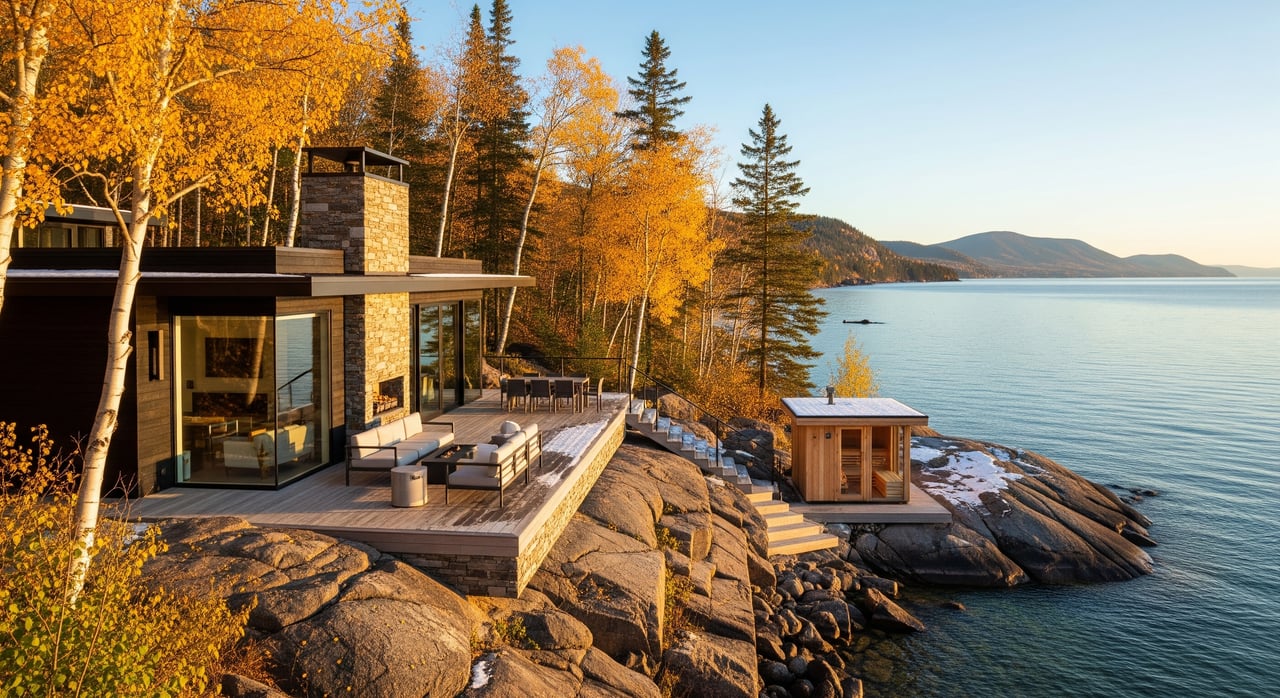
What if your morning started on a ski run and ended with sunset over Lake Superior? If you are dreaming about a second home or a relocation that puts the outdoors first, Lutsen might be on your shortlist. You want a clear picture of what life really feels like through each season, plus what to expect from homes, utilities, and access. This guide walks you through Lutsen’s year-round lifestyle, outdoor amenities, housing types, and practical ownership tips so you can plan with confidence. Let’s dive in.
Where Lutsen fits on the North Shore
Lutsen sits along Minnesota’s North Shore of Lake Superior in Cook County. The community is small year round and swells in both winter and summer as visitors arrive for skiing, hiking, and lake time. The shoreline scenery and the Lutsen Mountain resort shape how people live and play here.
Public lands surround the area. Superior National Forest and the Boundary Waters Canoe Area Wilderness are federally managed, while Minnesota’s Department of Natural Resources oversees nearby state parks and shoreland rules. This mix of federal, state, county, and private ownership affects trail access, permitting, and land use, so it pays to understand the basics before you buy.
Winter in Lutsen: Ski-first living
Season timing and feel
Winter is long, snowy, and active. The ski season at Lutsen Mountain typically begins in late fall or early winter and can extend into March or April, depending on natural snowfall and snowmaking. Lake Superior often adds significant lake-effect snow, which supports reliable snow-based recreation.
Shorter daylight and cold temperatures are part of daily life. Expect routine snow removal and winter driving. Homes need solid insulation and dependable heating to make winter comfortable.
Resort and daily conveniences
Lutsen Mountain is the hub of winter activity with downhill skiing, lessons, and services. You will find ski-in, ski-out or ski-adjacent lodging and condos near the resort, plus tuning, rentals, and places to warm up between runs. The surrounding community gears its busiest months around the ski calendar.
Spring and shoulder seasons: Quiet and variable
Early spring realities
Spring arrives in stages. Early in the season, thaw and mud can limit access to some trails and boat launches. Property access on private or forest roads may vary until surfaces firm up.
Late spring rewards
By late spring, the landscape wakes up with bird migration and budding trees. Trails reopen as conditions improve, and you can ease into paddling and hiking as the weather settles. It is a good time to get to know the area without peak-season crowds.
Summer in Lutsen: Trails and water
Weather and favorite activities
Summer brings mild to warm days, with Lake Superior keeping temperatures cooler than inland Minnesota. Long daylight hours invite full days outside. Popular options include hiking, paddling, fishing, boating, camping, wildlife viewing, and lift-served mountain biking when the resort runs summer operations.
Peak use and rental demand
Summer is peak season for trail use and water access. It is also a popular time for second-home use and short-term rentals. If you plan to host guests or rent your property, summer typically brings strong demand.
Fall in Lutsen: Foliage and calm
Leaf season and pace
Fall arrives with crisp air and striking foliage. Trails and overlooks shine for photography and hiking, especially during color peak. After Labor Day, the area often feels quieter, which many owners appreciate.
Shoulder-season considerations
Hunting seasons begin in the region, so awareness and proper trail use are important. Some services reduce hours in the shoulder months, so plan ahead for supplies and dining.
Trails, parks, and water access
Superior Hiking Trail and state parks
The Superior Hiking Trail runs along the North Shore escarpment and offers access points near Lutsen. Tettegouche State Park and Cascade River State Park provide marked trails, waterfalls, cliffs, and shoreline access. Superior National Forest expands your options with day hikes and backcountry routes managed by the U.S. Forest Service.
Nordic skiing, snowshoeing, and snowmobiling
Winter offers more than downhill. Local clubs and resorts maintain groomed cross-country ski loops across public and private lands, and snowshoe routes start from many trailheads. Cook County and local clubs also maintain snowmobile trails that connect into a broader regional network.
Lake Superior, inland lakes, and safety
You can fish, paddle, and explore the Lake Superior shoreline or head inland to lakes and streams for trout, lake trout, and walleye in some waters. Conditions on Lake Superior can be cold and changeable, with strong winds and currents. Dress for cold water and follow safety guidance.
BWCAW access and permits
The Boundary Waters Canoe Area Wilderness is accessible through multiple regional entry points. Overnight trips require permits, which vary by season and location. Knowing wilderness rules and planning your route ahead of time will make your trip smoother and safer.
Fees, licenses, and rules
State park vehicle permits are common, and fishing and hunting require licenses. Fires and camping have federal and state rules in national forest lands and the BWCAW. It is wise to check requirements for your specific destination before you go.
Housing styles you will see
You will find a range of homes that fit the North Shore setting:
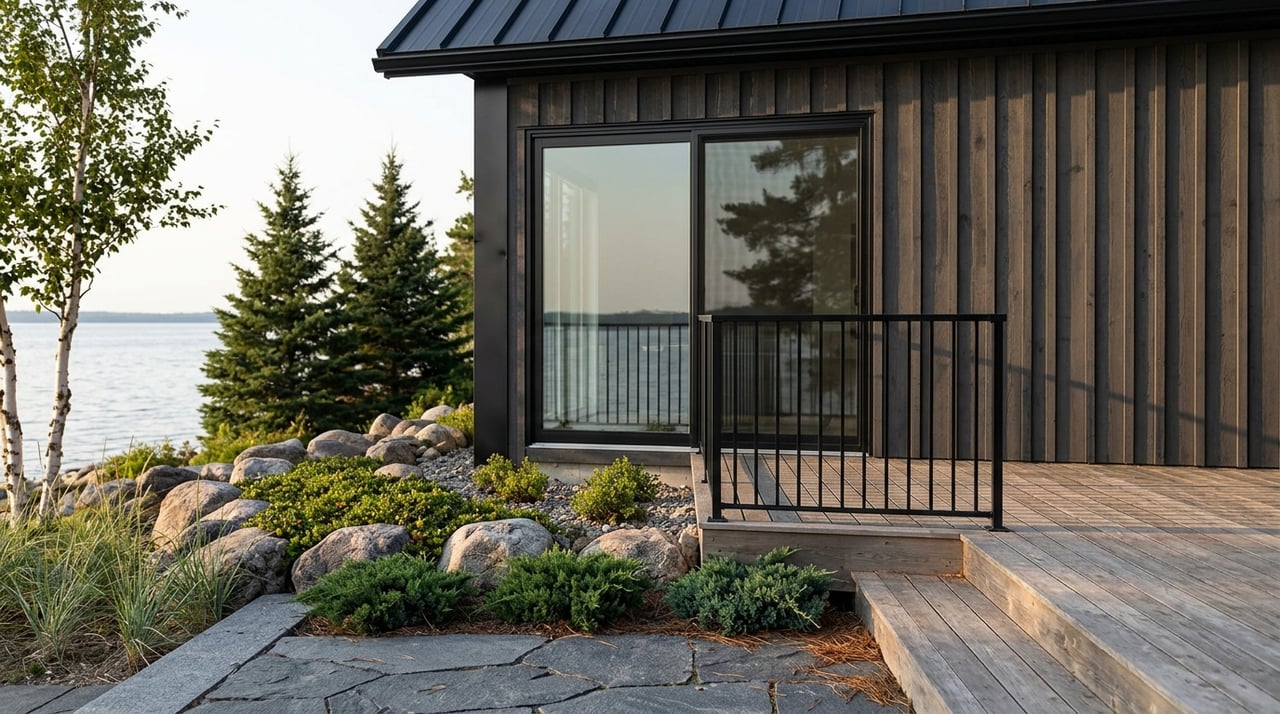
- Lakefront cottages and cabins, often older structures that have been updated for seasonal or year-round use.
- Timber-frame and log homes that blend with the forested landscape.
- Ski-area condos and lodges clustered near the resort for turnkey access and potential rental use.
- Remote forest cabins on inland lakes and wooded lots that may feel off the grid.
- Modern custom homes with energy-efficient systems and higher-end finishes.
Each style brings different maintenance and access realities. Lakefront homes face lakeshore exposure, while remote cabins may trade convenience for privacy. Condos close to the resort appeal to owners who want low-maintenance living and easy access to lifts and trails.
Infrastructure and ownership realities
Water and sewer
Many properties rely on private wells and septic systems, especially outside village centers. Shoreland properties often have extra requirements for septic design or upgrades. Plan for regular inspections and maintenance.
Heat and energy
Common heating systems include oil or propane, electric, and wood or pellet appliances. Reliable heat and good insulation are essential for year-round living. Ask about age, efficiency, and service records for any system you are considering.
Roads and access
State Highway 61 is the main route along the North Shore. Many homes sit on county or private roads where winter maintenance varies. Confirm who plows, how often, and what it costs if you plan to visit through the season.
Broadband and cell coverage
Internet and cell service coverage can be variable in rural areas. Some properties have limited wired broadband, while satellite and expanding wireless providers, including Starlink, are increasingly used. If remote work matters, verify options at the specific address.
Insurance and seasonal risks
Lakefront properties may need additional consideration for wind, lake surge, and erosion. Heavy snowfall can add roof loading, so roof design and snow management matter. Discuss waterfront, wildfire, and winter-related coverage with your insurer.
Short-term rentals and local rules
Short-term rental demand is strong in ski and lake areas, with peak seasons in winter and summer. Local ordinances, HOA rules, and lodging taxes may apply. Shoreland zoning can affect setbacks and building plans, and permits are required for major work. Cook County and township rules vary, so review requirements early in your planning.
Step-by-step planning checklist
- Visit in multiple seasons to see traffic, trail use, and access in different conditions.
- Confirm road plowing, mail delivery, grocery and medical access, and emergency response times.
- Inspect cold-climate systems, including heating, insulation, plumbing freeze protection, roof condition, and well and septic.
- Review shoreland setbacks, septic upgrade triggers, short-term rental rules, and any HOA covenants.
- Budget for ongoing costs such as snow removal, heating, seasonal property management, and utilities.
- Verify broadband and cell coverage at the property address if remote work is important.
- Plan for wildlife and environmental stewardship. Follow food storage rules and Leave No Trace principles when you explore.
- Consult local specialists, including real estate professionals familiar with North Shore sales, contractors who understand cold-climate construction, and property managers for seasonal turnover.
Is Lutsen right for your lifestyle?
If you want reliable winter and summer recreation with a quieter shoulder season, Lutsen offers a compelling mix of skiing, trails, and lake access. The setting rewards owners who plan for winter maintenance, variable spring conditions, and rural utilities. With clear goals and the right team, you can find a property that fits how you want to live and play.
Ready to explore options and map a plan that fits your lifestyle and budget? Connect with the Warner Group for trusted buyer guidance, clear next steps, and a vetted referral network. Book an Appointment to get started.
FAQs
How long does the Lutsen ski season usually run?
- It typically starts in late fall or early winter and can extend into March or April, depending on snowfall and snowmaking.
Are there ski-in or ski-adjacent properties near Lutsen Mountain?
- Yes. Inventory near the resort includes ski-in, ski-out or ski-adjacent condos and lodges, though availability can be limited.
What should I know about short-term rentals in Lutsen?
- Demand peaks in winter and summer, and local ordinances, HOA rules, and lodging taxes may apply, so review regulations before listing.
What utilities are common for lakeshore properties near Lutsen?
- Many rely on private well and septic systems, with shoreland rules that can affect septic upgrades and setbacks.
How remote are groceries and medical services if I buy near Lutsen?
- Essential services are available in nearby towns, while larger medical centers are farther away. Confirm distances and travel times for a specific property.
How reliable is internet service for remote work?
- Coverage varies by address. Some areas use satellite or expanding wireless options, including Starlink, so verify providers for the property.
What winter maintenance should I expect as a homeowner?
- Plan for routine snow removal, roof snow management where needed, and cold-weather checks on heating, plumbing, and access roads.