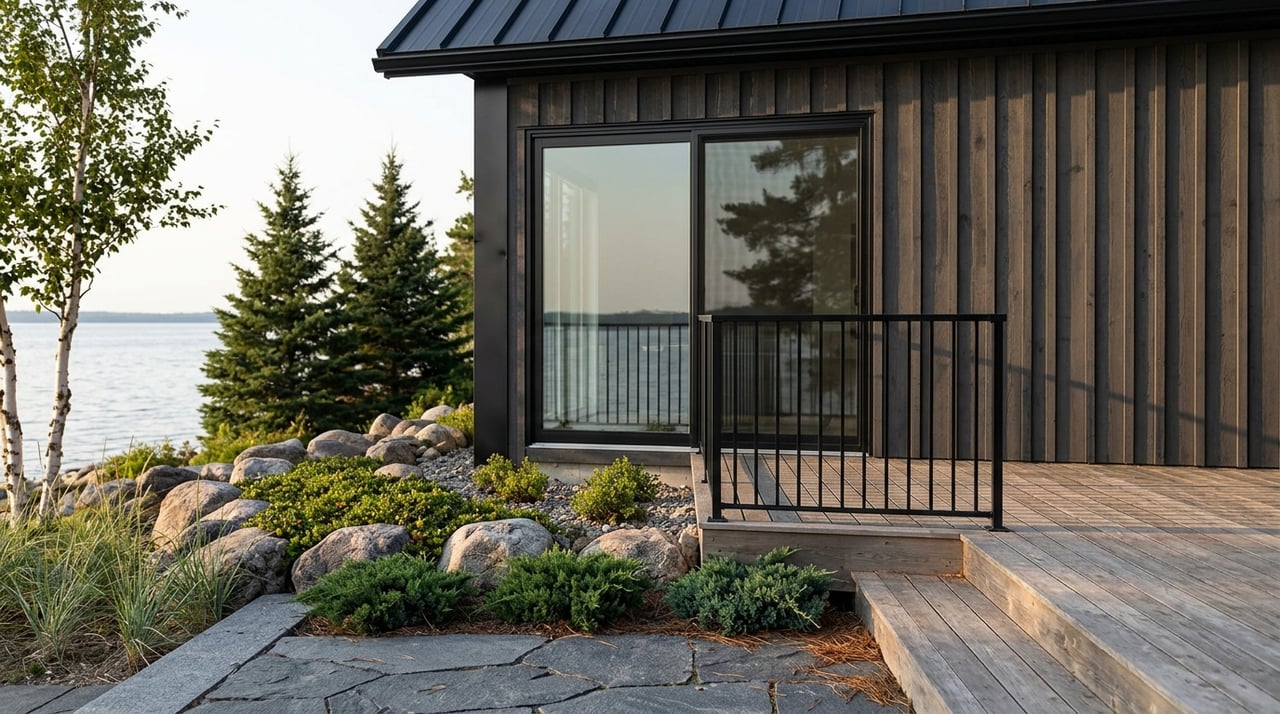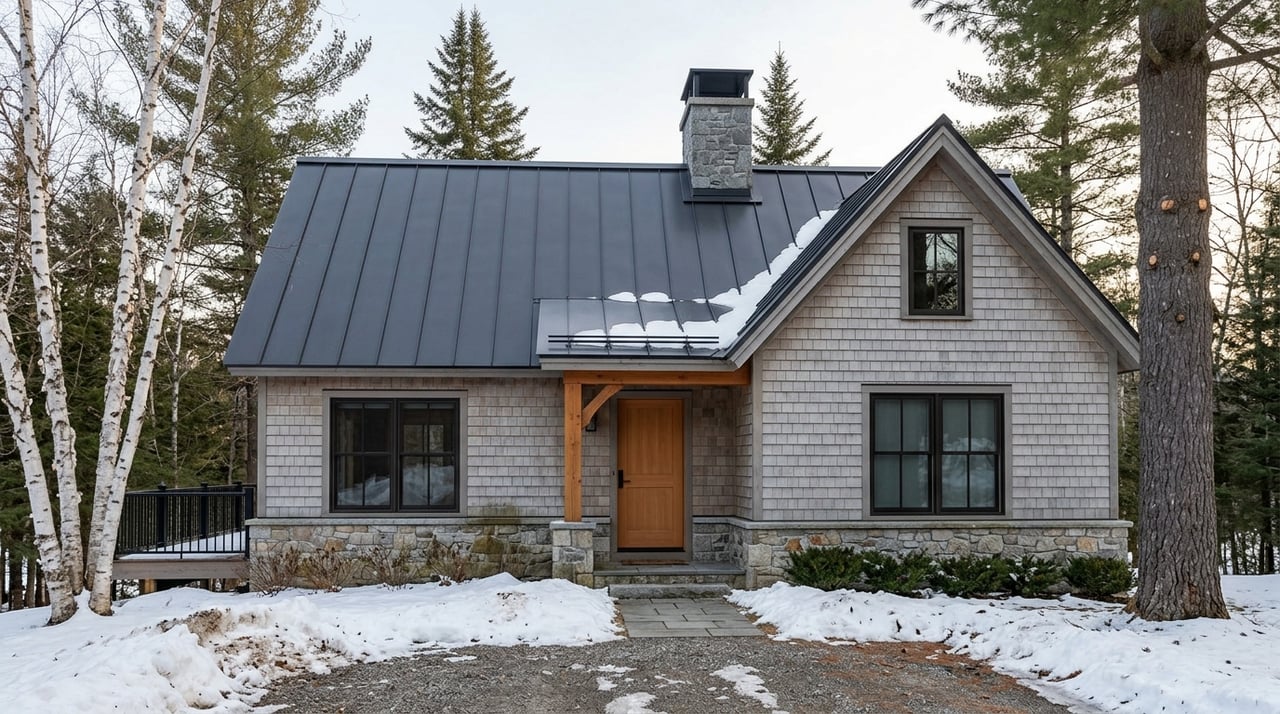
Dreaming of a place where you can ski in the morning and watch Lake Superior in the evening? Lutsen offers that rare mix of North Shore adventure and quiet cabin time. If you are a Twin Cities buyer or coming from out of the area, the process can feel different than buying at home. This guide gives you a clear plan for financing, inspections, short‑term rental rules, and the local steps that matter in Cook County. Let’s dive in.
Lutsen market at a glance
Lutsen is a very small market, which means data swings quickly when only a handful of homes sell. Public indexes often show average values in the mid hundreds, but numbers vary by property type and timing. The best move is to focus on rolling 6–12 month local comps for the specific product you want, like lakefront cottages, resort condos, or slope‑side units.
Demand comes from outdoor lovers and second‑home buyers who use properties in winter for skiing and in summer for the lake. Expect competition for turnkey condos near Lutsen Mountains and for properties with direct Lake Superior views. You will also see a mix of cash purchases and conventional second‑home financing.
Property types to consider
Lakefront cottages
Lake Superior frontage commands a premium for views and access. Shoreline properties often sit on ledge rock rather than sandy beach, so you will want to review erosion history, access, and any shoreland rules before planning improvements.
Resort and condo units
Communities like Sea Villas, Caribou Highlands, and Poplar River typically offer association amenities and may allow participation in rental pools. These can be lower touch for owners, but you should review HOA rules, dues, reserves, rental restrictions, and any upcoming capital projects.
Slope‑side and ski condos
Proximity to the lifts is a major draw in winter and still attractive in summer for hiking and golf. If you plan to rent, ski‑season weekends and holidays often carry strong demand compared to shoulder seasons.
Land and buildable lots
If you want to design a custom cabin, confirm county zoning, shoreland setbacks, and access to utilities. Shoreline and sensitive areas come with specific building limits and permit steps.
Utilities and site checks that matter
Many Lutsen properties are off municipal systems. That makes due diligence on wells, septic, and winter access essential.
- Private wells are common. The Minnesota Department of Health recommends annual testing for coliform bacteria and nitrate, plus additional testing as needed based on local advisories. Review recent results and plan for treatment if tests show issues. The MDH testing guide is a helpful reference for what to check and when. See the MDH’s private well testing guidance for details. (Minnesota Department of Health well testing)
- Septic systems (SSTS) serve most unsewered properties. Cook County uses permits and compliance checks for many actions, and Minnesota rules govern how systems are inspected and upgraded. Older systems can require replacement. Confirm records, request a compliance inspection, and budget accordingly. Start with Cook County’s e‑Permitting site for local requirements. (Cook County e‑Permitting)
- Winter access can be a real factor. Driveways may be long, steep, or wind‑exposed. Line up plowing, confirm parking, and assess whether all‑wheel or 4‑wheel drive is needed during heavy snow periods.
Before you make an offer, inspect for roof snow load and ice‑dam history, heating system condition (propane, boiler, or wood), shoreline ponding or erosion, well yield and water quality, and emergency access. For condos, carefully review association documents, dues, reserves, rental rules, and any special assessments.
Seasonality and maintenance planning
North Shore use and rental demand peak in two seasons: summer for lake time and winter for skiing. Shoulder seasons can be slower. If you plan short‑term rentals, build your model around summer weeks and ski weekends, with realistic expectations for the off‑season.
Maintenance in Lutsen often centers on cold‑weather protection and water systems:
- Winterization and freeze protection. If you leave the property vacant in winter, either fully winterize the plumbing or hold interior temperatures at a safe minimum. Smart thermostats and water‑leak sensors add peace of mind. A professional winterization checklist helps prevent burst pipes. (Vacation‑home winterization basics)
- Septic service and compliance. Plan for regular pumpouts and maintenance. Some jurisdictions require periodic checks for rentals, so keep records current and budget for updates if a system is nearing the end of its life. (Example of periodic septic requirements)
- Well care. Test annually for bacteria and nitrate, and follow MDH guidance for any additional testing. If treatment is needed, install and maintain it as recommended. (MDH well testing guidance)
- Snow, ice, and power planning. Factor in snow removal, roof raking where needed, ice‑dam mitigation, and consider a generator or battery backup if outages would impact winter heat.
Natural hazards also deserve a look. Some shoreline properties face erosion or localized flooding during high water. Use FEMA’s Flood Map Service Center to check whether a parcel falls in a Special Flood Hazard Area, which would trigger a lender’s flood insurance requirement. (FEMA Flood Map Service Center)
Shoreland rules affect what you can build or repair near the water. Minnesota’s DNR and local ordinances set setbacks and vegetation standards for shoreland work. Check county requirements before planning shoreline improvements.
Financing and taxes for second homes
How you plan to use the property drives your loan options. Lenders and secondary market agencies treat second homes differently from investments. A second home is typically a one‑unit property you intend to occupy seasonally and that is suitable for year‑round use. Your lender will ask about occupancy intent and may require a higher down payment, cash reserves, and slightly higher rates compared with a primary residence. Review Fannie Mae’s occupancy definitions with your lender early. (Fannie Mae occupancy types)
Many conventional second‑home loans expect at least around 10 percent down for well‑qualified buyers, with 2 to 6 months of mortgage reserves. Government‑backed loans like FHA or VA usually do not fit pure vacation‑home purchases. Confirm terms with your lender and ask how occasional short‑term rental activity might change your loan classification.
On taxes, mortgage interest on a second home can be deductible within IRS limits for acquisition indebtedness. If you plan to rent the property part time, rental‑versus‑personal‑use rules determine how you report and deduct expenses. Review IRS Publication 936 and speak with a tax advisor for your situation. (IRS Publication 936)
Minnesota’s homestead classification only applies to your primary residence. A Lutsen vacation home will typically be taxed as non‑homestead or seasonal property as defined by Minnesota law and the county assessor. Check classification and expected tax rates with Cook County. (Minnesota homestead and seasonal classifications)
Short‑term rental rules in Cook County
If you plan to rent your Lutsen home on a short‑term basis, budget time and cost for county licensing and taxes.
- Cook County requires a County Vacation Rental License for STRs. The county’s e‑Permitting portal is where you apply and review current requirements. Expect an annual fee and compliance with local standards. (Cook County Vacation Rental License)
- Lodging tax applies to short‑term stays. The county notes lodging tax responsibility for hosts, typically at 4 percent or 1 percent of gross rental income depending on location. Confirm how your platform handles remittance and register to file as needed with the county. (Cook County lodging tax guidance)
- Safety and health expectations apply. Minnesota Department of Health guidance covers topics like smoke and carbon monoxide detectors, occupancy and posting standards, and operator responsibilities. Review applicable MDH resources if you plan to host. (MDH lodging operator guidance)
Always check HOA rules first. Some associations restrict or prohibit short‑term rentals, which can override your plans.
Step‑by‑step buying roadmap
Follow this practical path to reduce surprises and keep your purchase on track.
1) Research and fit
- Define the use case: personal getaway, occasional STR, or both. That choice influences financing, taxes, and HOA selection.
- Ask a trusted agent to pull 12‑month comps for your exact product type. In a small market, rolling local data beats a single portal snapshot.
- Map flood risk early. Use FEMA’s Flood Map Service Center for any lakefront or river‑adjacent parcels. (FEMA flood maps)
2) Financing and pre‑approval
- Talk to a lender experienced in second‑home loans. Share your intended occupancy and any rental plans so your loan is classified correctly.
- Ask about down payment, reserves, and rate adjustments for second homes. Confirm whether your plan meets second‑home or investment criteria per Fannie Mae rules. (Fannie Mae selling guide overview)
3) On‑site visit and inspections
- Inspect shoreline, roof, heating, plumbing, and winterization status. Evaluate driveway grade, snow storage, and emergency access.
- Order well testing following MDH guidance and review past lab results. (MDH well testing)
- Hire a licensed septic inspector. Ask for as‑builts, pump records, and a compliance inspection if one is not current. (Cook County SSTS and permits)
- For condos, review HOA docs, dues, reserve studies, rental rules, and pending capital projects.
4) Permits and STR checks
- If you plan short‑term rentals, contact Cook County to confirm license needs and lodging tax registration before you write an offer. Verify any HOA rental restrictions. (Cook County e‑Permitting)
5) Offer, underwriting, and closing
- Include contingencies for well and septic inspections and any shoreline or permit issues you uncover.
- Keep your lender in the loop on occupancy to avoid last‑minute reclassification.
- If a parcel is in a Special Flood Hazard Area, obtain an elevation certificate and secure flood insurance as required. (FEMA flood maps)
6) Post‑closing setup
- Create a maintenance calendar for winterization, roof and gutter checks, well testing, and septic service.
- If renting, establish county lodging tax accounts and a schedule to file and remit. Confirm how your listing platform handles any collections. (Cook County lodging tax)
Budget checklist for Lutsen ownership
- Mortgage, taxes, insurance, and flood insurance if required
- HOA dues and special assessments if buying a condo or townhome
- Septic inspections, pumpouts, and potential upgrades
- Well testing and any treatment or softening equipment
- Snow removal, roof raking, gutter maintenance, and ice‑dam mitigation
- Heating fuel delivery, monitored thermostat, and backup power plan
- STR licensing fees, lodging tax, cleaning, and property management if applicable
How Warner Group supports your North Shore plan
Buying a vacation home a few hours from the Twin Cities adds logistics, rules, and trade‑offs that are easy to miss. Warner Group puts a plan around your search so you can enjoy the fun parts and avoid preventable costs. We help you clarify your use case and budget, connect you with a second‑home lender, and coordinate inspections and due diligence. If your search leads to Lutsen, we introduce you to a vetted North Shore partner agent while staying by your side to review HOA docs, STR rules, and inspection results.
You get the benefit of a boutique, client‑first team with decades of negotiation and process experience, plus a trusted referral network for the local expertise you need in Cook County. Ready to explore what Lutsen looks like for you? Reach out to Warner Group to get started.
FAQs
When is the best time to buy a Lutsen vacation home?
- Winter and early spring can reveal access and snow‑load realities, while late summer shows shoreline and drainage; focus less on season and more on property‑specific due diligence and rolling 12‑month comps.
What inspections are essential for Lutsen properties?
- At a minimum, order a full home inspection, well testing per MDH guidance, a septic compliance inspection, and check shoreline condition, winter access, and HOA reserves if buying a condo. (MDH well testing) (Cook County SSTS)
How do lenders classify a Lutsen second home if I rent it?
- Occasional short‑term rental can be allowed on a second‑home loan, but frequent or primary rental use may push the loan into investment territory; review Fannie Mae occupancy definitions with your lender. (Fannie Mae occupancy types)
Do I need flood insurance for a Lake Superior property?
- If FEMA maps show your parcel in a Special Flood Hazard Area, a lender will require flood insurance; even outside mapped zones, consider coverage based on shoreline exposure and elevation. (FEMA flood maps)
Can I claim Minnesota homestead status on a Lutsen vacation home?
- No; homestead classification is for primary residences only and affects tax rates and credits, so expect non‑homestead or seasonal classification for a vacation home. (Minnesota homestead rules)
What licenses and taxes apply if I do short‑term rentals?
- Cook County requires a Vacation Rental License and lodging tax registration, and you must comply with safety standards and HOA rules if applicable; confirm details before closing. (Cook County e‑Permitting)