You want a home with character, not a copy-and-paste box. Stillwater’s historic houses offer rich details, a strong sense of place, and a story you can live in. The flip side is learning the rules, planning smart inspections, and budgeting for thoughtful repairs. This guide shows you how to buy a historic Stillwater home with confidence, from preservation basics to due diligence and timelines. Let’s dive in.
Why Stillwater’s historic homes stand out
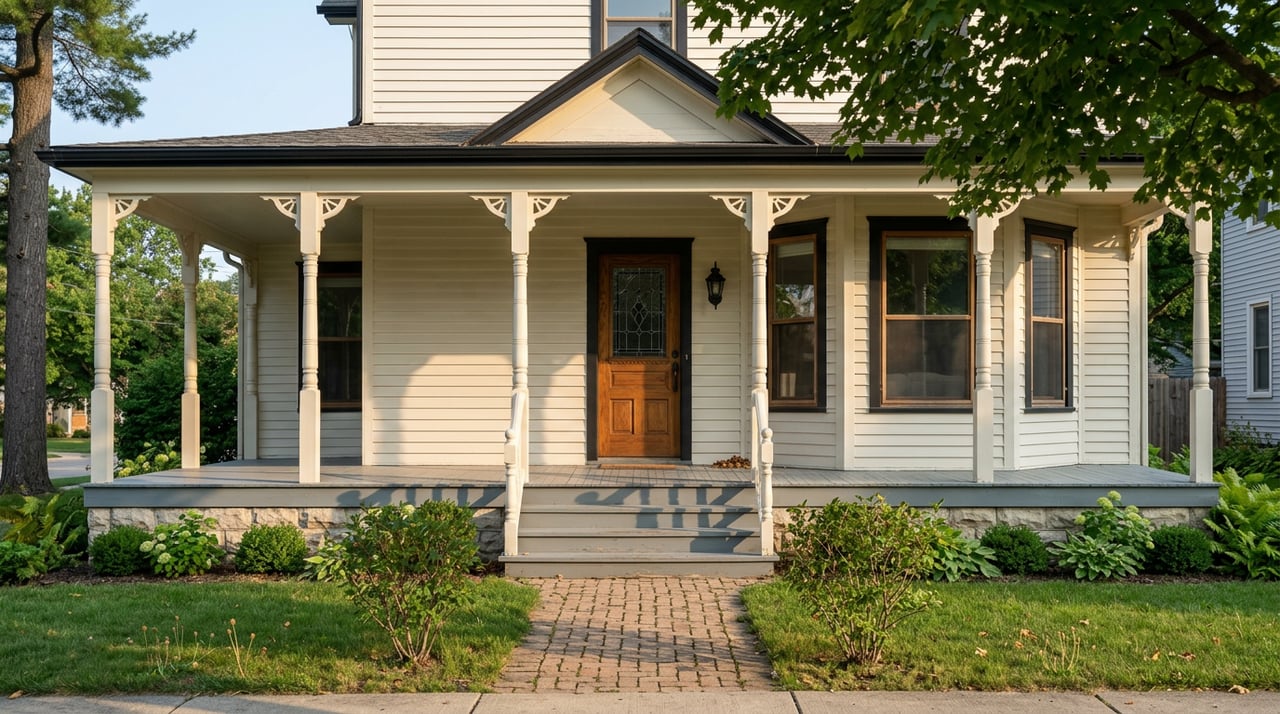
Stillwater’s growth in the 19th and early 20th centuries left a unique mix of styles. As you tour, you will see Italianate and Queen Anne details, early bungalows, American Foursquares, and Craftsman features. Many homes include original wood windows, deep porches, detailed trim, and stone or brick foundations. These character-defining features carry much of a home’s value, so you want to preserve them when possible.
Learn the rules before you write an offer
Stillwater has an active Heritage Preservation Commission (HPC) that guides what you can change on the exterior of certain properties. Start by reviewing the city’s overview of preservation programs and contacts on the Heritage Preservation page. You will find what is regulated, who to call, and how to get design guidance. Refer to the city’s preservation information to understand the scope of the program and key terms. You can find it on the City of Stillwater’s Heritage Preservation page at the planning and development site.
Local historic rules are not the same as a National Register listing. A National Register listing is mostly honorary for private owners and does not by itself restrict typical work. Local designation and design-review overlay districts are what trigger review for exterior changes and demolition. The city’s Historic Districts FAQs explain what is and is not regulated, and note that interior work is generally not reviewed. Read the city’s Historic Districts FAQs for clear guidance.
If you plan exterior changes, ask early about Design Permits and timelines. The city’s Design Permitting page explains submittal steps and timing so you can sequence your project without delays.
- Heritage Preservation overview: see the city’s Heritage Preservation information page.
- Local rules vs National Register and what is reviewed: use the city’s Historic Districts FAQs.
- Design Permits and meeting schedules: see the city’s Design Permitting page.
What to look for on your first tours
Focus on big-picture condition and original features you want to keep.
- Windows and doors. Original wood sash often perform well when repaired and weatherized. The National Park Service recommends a repair-first approach and adding storm windows for efficiency rather than jumping to full replacement. Review NPS guidance on weatherizing historic windows and doors.
- Masonry and foundations. Look for spalling brick, eroded mortar, or past patches. Historic masonry needs softer, compatible mortar and careful tooling. See the NPS overview on common masonry problems and why mortar compatibility matters.
- Porches and exterior woodwork. Note any sagging, rot at columns and stairs, and missing trim. Many of these elements can be repaired by preservation-minded carpenters.
- Electrical and fire safety. Older homes may have knob-and-tube wiring or undersized service panels. Plan for a licensed electrician to inspect and price updates if needed.
- Hazards to budget for. Minnesota has a high rate of elevated radon levels. The Minnesota Department of Health recommends testing during the transaction and includes a required radon disclosure. Homes built before 1978 may have lead-based paint, and renovations must follow lead-safe practices.
Plan a realistic budget
Every house is different, so get multiple local bids. Use the ranges below as planning guides.
- Electrical rewiring. A full rewire often runs about 2 to 4 dollars per square foot depending on access and finishes. Expect higher numbers where plaster repair or preservation details add complexity. See Angi’s rewire cost guidance for context.
- Foundations and drainage. Localized crack repairs or interior drainage work can land in the low thousands. Larger stabilization or underpinning projects can reach the tens of thousands based on severity and size. See HomeGuide’s foundation repair ranges for planning.
- Windows. Repair and weatherization of historic wood windows can be cost-effective over time compared with high-end replacements, especially when paired with storm windows. NPS guidance explains performance and preservation benefits.
- Masonry and tuckpointing. Costs vary with scope, height, and access. Whole-foundation or chimney repointing can be several thousand dollars. The key is to use compatible mortar, as NPS advises.
Tip: Prioritize spending on structure, water management, and safety first. Then address exterior features that protect value and curb appeal.
Flood, drainage, and lot checks
Stillwater sits on the St. Croix River. Many homes are outside the mapped flood zones, but low-lying lots can have high groundwater or periodic risk. Check the city’s revised FEMA Flood Insurance Rate Map resources for the parcel you are considering. If a property shows flood risk, factor flood insurance and drainage planning into your budget.
Your Stillwater due diligence plan
Buying in a historic area is very doable when you follow a clear sequence. Here is a practical roadmap.
Pre-offer research
- Confirm whether the property is locally designated or in a design-review overlay. If you plan exterior changes, expect to apply for a Design Permit and allow time for review. See the city’s Design Permitting page to understand timing.
- Ask the seller for building-permit history, known conditions, and any prior radon test results. Minnesota requires radon disclosure material in residential transactions. The Minnesota Department of Health explains requirements and testing guidance.
- Line up inspections: a general home inspection plus a licensed radon measurement, an electrician familiar with older homes, and a structural engineer if you see foundation movement. Add lead or asbestos testing if you plan to disturb older finishes.
Within your inspection contingency
- Write in specific contingencies for radon, electrical safety, and structure. This gives you leverage to negotiate repairs or credits when issues appear.
- If the property is locally designated or within a design overlay, confirm the review path for any planned exterior work. Ask for copies of past design-review permits or HPC approvals from the seller.
After contract and before closing
- If radon is above the EPA action level of 4.0 pCi/L, negotiate who installs mitigation or whether you receive a credit. MDH has clear guidance on mitigation and verification.
- If you plan exterior restoration that needs review, prepare and file the Design Permit early. Allow 4 to 8 or more weeks depending on complexity and hearing schedules.
Questions to ask the seller
Use these prompts to surface key information and avoid surprises.
- Have exterior changes like windows, siding, porches, or additions been reviewed by the City or the HPC? Ask for permit records or approval documents.
- Are there recent radon test results? Request the test type, date, and any mitigation paperwork.
- When were major systems replaced, such as electrical service, plumbing, HVAC, roof, or sewer line? Were permits pulled?
- Has the foundation or masonry been repaired? Ask for invoices, warranties, and the contractor’s info.
- Are there any recorded easements, preservation covenants, or restrictions on the deed?
- For original windows or trim you value, can you see photos of past repairs or talk to the contractor who did the work?
Local resources to bookmark
- City of Stillwater Heritage Preservation information. Start here for district context, contacts, and homeowner resources.
- Historic Districts FAQs. Clear answers on what is regulated and what is not.
- Design Permitting page. Process, submittal, and timelines for exterior work.
- NPS window weatherization guidance. Repair-first principles and performance tips.
- NPS masonry problem overview. How to handle historic masonry without damage.
- MDH radon in real estate. Disclosure rules, testing standards, and mitigation basics.
- Stillwater revised flood maps. Check parcel-specific flood risk and map updates.
- EPA lead safety basics. Understand disclosure and safe renovation practices in pre-1978 homes.
Ready to buy with confidence?
Historic homes reward careful planning. When you understand Stillwater’s review process, line up the right inspections, and budget for preservation-minded repairs, you protect both the home’s character and your long-term costs. If you want a step-by-step plan and local referrals to trusted inspectors, electricians, window specialists, and radon pros, connect with our team. We will help you evaluate options, negotiate smartly, and map timelines so you can enjoy the history without the guesswork. Reach out to the Warner Group to get started.
FAQs
What are the basic rules for exterior changes on a Stillwater historic home?
- Exterior work on locally designated properties or within design-review overlays often requires a Design Permit and HPC review, while interior work is generally not regulated; check the city’s Historic Districts FAQs and Design Permitting page.
How do National Register listings affect what I can change?
- A National Register listing is mostly honorary for private owners and does not by itself restrict typical work, while local designation and overlays can trigger review for exterior changes and demolition per the city’s Historic Districts FAQs.
Should I replace original wood windows for efficiency?
- Not by default; the National Park Service recommends repairing and weatherizing original windows and adding storm windows before considering replacement because it preserves character and can perform well.
What inspections are most important for a historic Stillwater home?
- In addition to a general home inspection, plan for licensed radon testing, an electrical evaluation, and a structural review if you see foundation concerns; add lead or asbestos testing if you will disturb older finishes.
How common is high radon in Minnesota homes?
- The Minnesota Department of Health notes that many homes test above the EPA action level of 4.0 pCi/L, so include radon testing and mitigation planning in your contingency.
What are typical costs to budget for older homes?
- Planning ranges often include 2 to 4 dollars per square foot for a full rewire and from the low thousands to tens of thousands for significant foundation work; always get multiple local bids.
How long does Stillwater’s design review take for exterior work?
- Straightforward projects can move faster, but many reviews need 4 to 8 or more weeks depending on complexity and meeting schedules; contact the city early using the Design Permitting page.
City of Stillwater Heritage Preservation information
NPS window weatherization guidance