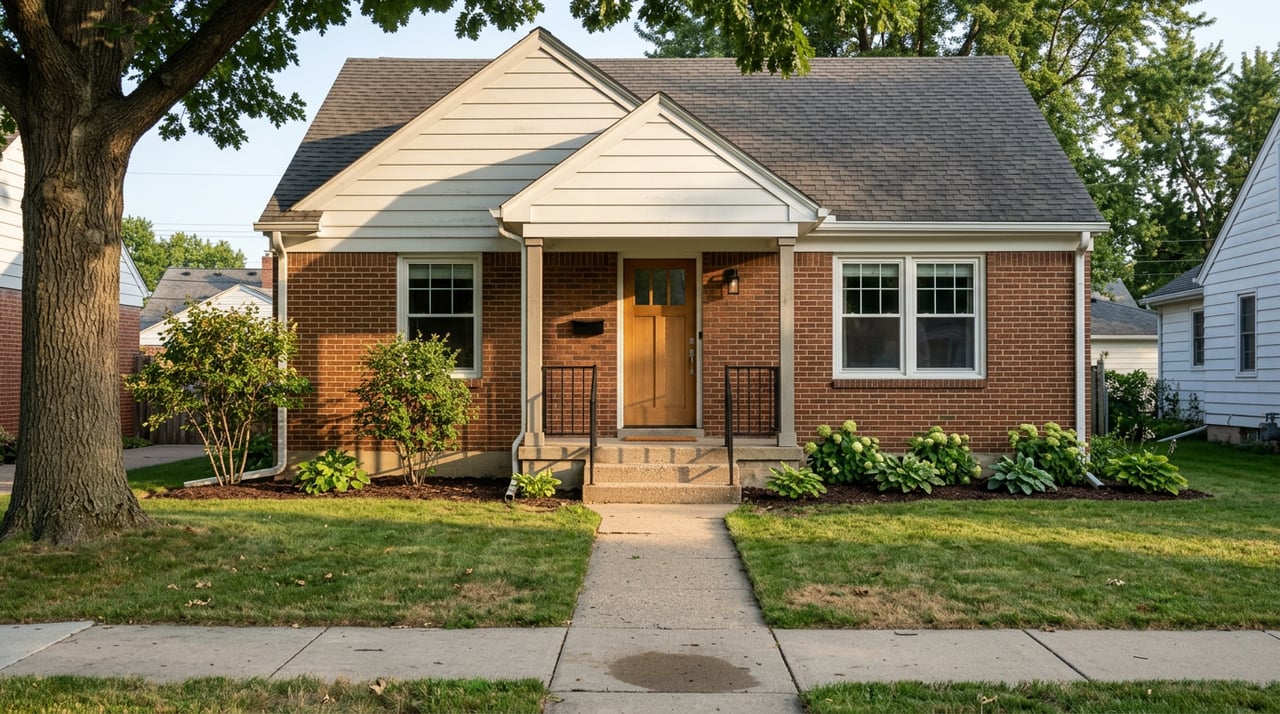
Looking for a realistic path to your first home around Minneapolis but not sure where to start? You are not alone. With prices and programs changing month to month, the best first step is understanding where starter homes tend to be, what they usually cost, and which financing options can help you compete. This guide walks you through practical price bands, city and suburban tradeoffs, and local assistance programs so you can move forward with confidence. Let’s dive in.
Market snapshot: what “starter” means now
Home prices across the Twin Cities continue to vary by neighborhood and property type. City medians shift based on whether more condos or single-family homes closed that month, so use ranges as planning tools and check a fresh comp set when you get serious.
- Metro-wide, recent reports place the median sale price in the high 300Ks. Neighborhood medians inside Minneapolis can sit lower or higher depending on month and mix of sales. You can review current city trends on the Redfin Minneapolis market page for a quick pulse on pricing and competition (Minneapolis housing data).
- Practical starter ranges we see often: tighter entry pockets under roughly 250K to 300K in select city areas; more typical city single-family or townhome options in the 300K to 375K band; close-in suburbs commonly range from about 315K to 425K for similar starter stock.
Use these ranges to frame your search, then refine by block and property condition with recent comps.
Three paths to a starter home
City neighborhoods: walkable and close
If you prioritize shorter commutes and walkability, Minneapolis has several pockets where starter homes routinely show up. Expect smaller lots, older systems that may need updates, and competition on well-priced listings.
- Powderhorn and nearby pockets. This area often shows some of the lower single-family price points inside the city and offers access to south-side corridors. Review current neighborhood trends on the Powderhorn page for up-to-date context (Powderhorn market snapshot).
- Northeast Minneapolis. A mix of classic bungalows and newer infill, plus lively commercial nodes. Recent neighborhood figures often place entry single-family options in the low to mid 300Ks. See neighborhood statistics for a current view (Northeast Minneapolis data).
- Longfellow, Corcoran, Lyndale. These areas offer smaller single-family homes near parks and greenways. Pricing varies block to block, and condition drives value. Plan for inspection focus on older mechanicals.
Within the city, condominiums can offer a lower price point than single-family homes. If you value a maintenance-light lifestyle and strong transit access, condos near high-frequency routes can be a smart entry.
Close-in suburbs: more space, quick drive
If you want a yard, garage, and a bit more square footage at a similar price, consider close-in suburbs. Many first-time buyers look at St. Louis Park, Richfield, Bloomington, Robbinsdale, and parts of Crystal or Brooklyn Park.
- These inner-ring areas often sit in the low to mid 300Ks for starter single-family homes, with more consistent yard and garage options than many city blocks.
- Transit access varies. Along major corridors you will find solid options, and recent Bus Rapid Transit expansions have improved non-car alternatives on key routes.
- For a quick benchmark on a popular inner-ring suburb, scan the St. Louis Park overview to understand typical list and sale activity (St. Louis Park overview).
House-hacking with 2–4 units
Buying a duplex, triplex, or fourplex and living in one unit is a realistic path for many first-time buyers. The rent from the other units can help offset your monthly payment.
- Financing basics. FHA, VA, and select conventional programs can finance 2–4 unit owner-occupied properties. FHA commonly allows as little as 3.5 percent down for qualifying buyers on 2–4 units, subject to underwriting and local limits. Read more about how FHA treats multifamily owner-occupied purchases (FHA 2–4 unit overview).
- Underwriting details. Lenders often count a portion of projected rents during qualification and may require reserves or lease documentation. Work with a lender experienced in 2–4 unit underwriting so you understand appraisal rental schedules and documentation early.
- Practical example. If a duplex’s second unit rents for 1,400 per month and your lender counts 75 percent of that toward income, you could offset 1,050 of your monthly housing cost before maintenance and vacancy planning. Your exact numbers will depend on rate, taxes, insurance, and program rules.
Financing smart: lower down payment paths
Getting pre-approved early helps you target the right price point and move quickly when the right home hits the market. Popular options for first-time buyers include:
- FHA. Allows 3.5 percent down for qualifying borrowers and can be used on 1–4 unit owner-occupied properties. Expect mortgage insurance and specific appraisal standards.
- Conventional with reduced MI. Fannie Mae HomeReady and Freddie Mac Home Possible allow about 3 percent down for eligible borrowers, often with mortgage insurance advantages compared to standard conventional or FHA. Learn about program basics and income limits (HomeReady primer).
- Minnesota Housing Start Up. This state program pairs a first mortgage with down payment or closing cost assistance that has historically reached roughly the mid teens in thousands of dollars, depending on option and county. Program details, limits, and classes change, so confirm current terms with a participating lender (Minnesota Housing Start Up).
- VA and USDA. Zero-down paths for eligible buyers or eligible areas. Ask your lender about current eligibility and property requirements.
Programs are accessed through approved lenders or local administrators. Income and purchase price limits apply, and many options require homebuyer education. Availability can be first-come first-served, so starting early matters.
Local assistance you should know
Layering down payment assistance with your first mortgage can reduce cash to close and improve monthly affordability.
- Hennepin County Homeownership Assistance Fund. Administered by NeighborWorks Home Partners, this county resource has included forgivable, zero-interest deferred loans with assistance tiers that have reached into the 20K to 30K range based on program rules and income tiers. Review current guidelines and intake steps on the county’s page (Hennepin County assistance). You can also view the administrator’s program details and next steps here (NeighborWorks Hennepin program).
- City of Minneapolis programs. Homeownership Opportunity Minneapolis and Minneapolis Homes offer targeted assistance and shared-equity paths that have evolved recently. Expect income caps and education requirements. Start with the city’s program materials for current details (Minneapolis homeownership programs).
Always confirm today’s eligibility, income limits, purchase price caps, and education requirements with the program administrator or a participating lender.
Lifestyle tradeoffs to weigh
Choosing between city neighborhoods and close-in suburbs usually comes down to your daily routine and comfort with older home systems.
- Walkability and transit. Minneapolis rates highly on Walk Score overall, and several neighborhoods score very walkable. If you want strong non-car options, look near light rail or the expanding Bus Rapid Transit network. Track new and recent openings on Metro Transit’s news page (Metro Transit updates, Minneapolis Walk Score).
- Commute time. Many buyers find one-way commutes around twenty minutes when living close to job centers, though your actual time depends on route and mode. Consider testing your commute during offer week.
- Taxes and monthly costs. When comparing against rent, include principal, interest, taxes, insurance, and any HOA dues. Effective property tax rates vary by city and district, so ask your agent to pull the current tax estimate for each home you tour.
- Older-home checklist. Many starter homes in the city are older and may need updates. Plan to evaluate roof, HVAC, electrical, radon, and possible lead-based paint. Minnesota has higher radon prevalence, so include radon testing and potential mitigation in your inspection plan.
Quick planning checklist
- Get pre-approved and confirm which down payment assistance you qualify for.
- Choose your path: city convenience, close-in suburb space, or a 2–4 unit house-hack.
- Set a realistic price band based on today’s comps and your comfort with monthly costs.
- Tour target neighborhoods at different times of day. Test your commute and parking.
- Plan for inspections, radon testing, and a maintenance budget, especially with older homes.
- Work with a buyer’s agent who knows micro-market pricing and can connect you to trusted lenders and inspectors.
When you are ready to map your search to real listings, we will help you compare neighborhoods, line up financing, and position your offer to win. If you want a tailored plan for your price range and timing, reach out to the Warner Group to get started.
FAQs
What is a realistic starter-home budget in Minneapolis today?
- Many first-time buyers target 300K to 375K for single-family or townhome options inside the city, with some tighter entry pockets under 300K. Confirm today’s comps and monthly payment with your lender and agent.
Are there affordable close-in suburbs near Minneapolis?
- Yes. Areas like St. Louis Park, Richfield, Bloomington, and Robbinsdale often offer starter single-family homes in the low to mid 300Ks, with more consistent yard and garage options compared to many city blocks.
How does down payment assistance work in Hennepin County?
- Programs like the Hennepin County Homeownership Assistance Fund and Minnesota Housing Start Up layer assistance with your first mortgage, typically through approved lenders or administrators, and require you to meet income, price, and education rules.
Is buying a duplex a smart first-home move?
- For some buyers, yes. FHA and other loans can finance 2–4 unit owner-occupied purchases with low down payment, and a portion of rental income can be counted in underwriting. Expect added management and reserve planning.
How do I compare city walkability to suburban convenience?
- Start with your daily routine. If you value short commutes and transit, city neighborhoods near light rail or BRT score well. If you want more space and a yard, close-in suburbs can deliver that with a short drive.