Thinking about buying in Minnetonka but not sure where to start? You are not alone. From lakeshore rules to inspections that matter in Minnesota’s climate, there is a lot to weigh before you write an offer. In this guide, you will learn how the market is moving, what to expect in lake-area versus inland neighborhoods, and the smart due diligence that protects your investment. Let’s dive in.
Minnetonka at a glance
Minnetonka sits just west of Minneapolis in Hennepin County and has about 52,651 residents, based on the latest U.S. Census estimate. You can use the city’s site to explore services, permits, and neighborhood context that shape day-to-day living. Start with the city’s overview page for a quick orientation.
- Population context: U.S. Census QuickFacts shows about 52,651 residents.
- City resources: The City of Minnetonka “Our City” page is a helpful hub for parks, trails, and municipal services.
Much of Minnetonka is served by Minnetonka Public Schools (ISD 276). School boundaries can influence pricing and buyer demand, so it helps to confirm boundaries for each address during your search.
Market snapshot and what it means for you
Recent reporting shows a steady, somewhat competitive market. Redfin’s January 2026 snapshot cites a median sale price around $472,000 with multi-week days on market. Realtor.com’s December 2025 view shows a median near $485,000, and Rocket’s mid-2025 report cites roughly $501,000 for some segments. These differences reflect time windows and data methods.
What does this mean for you? Treat any single number as directional. Inventory is often lean in west-metro suburbs, so well-priced homes can move quickly. If you love a property, plan to move decisively with a clean, well-prepared offer.
Neighborhood types: lake vs. inland
Lake-area homes: docks, permits, and shoreline
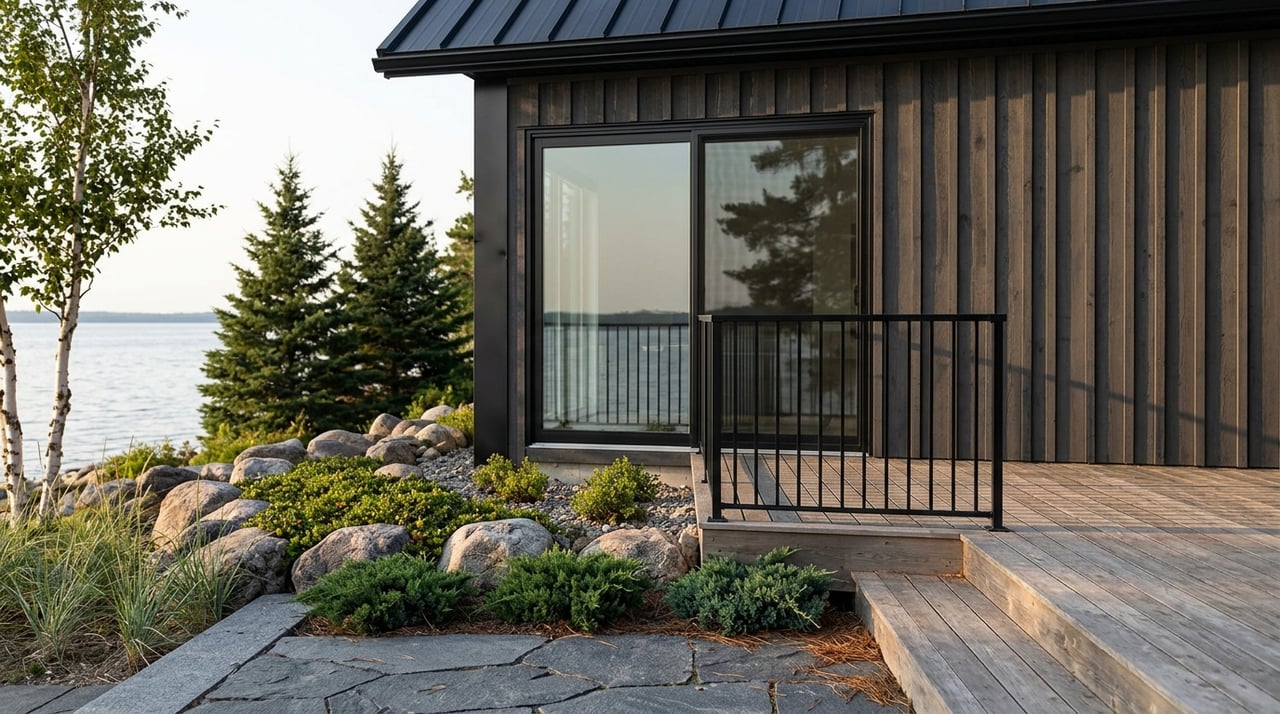
If you are considering Lake Minnetonka shoreline or bays that fall within the city limits, build in time to confirm dock and mooring status. The Lake Minnetonka Conservation District (LMCD) coordinates lake-wide rules on docks, buoys, and moorings. Before you write an offer, check whether an existing dock is permitted, transferable, or grandfathered, and whether any new work would need approvals. You can review lake-wide guidelines on the LMCD resources page.
Shoreline properties also sit within shoreland and watershed overlays that limit impervious surfaces and guide vegetation and setbacks. The Minnehaha Creek Watershed District operates Gray’s Bay Dam, which manages lake levels and outflow. That can influence short-term flood risk and recreational access in certain seasons. If you plan shoreline changes like riprap, a new beach, dredging, or dock modifications, factor in potential permits and timing. Learn more about Gray’s Bay Dam operations and water-level management.
Price patterns near the lake
Proximity to the lake can add a premium and also create wide price dispersion. You will see everything from modest near-lake homes to luxury estates with deep water frontage, especially near Gray’s Bay and the Wayzata side of the lake. Pricing can vary block by block, so request neighborhood comps for the specific street and lot type you are considering.
Inland neighborhoods: what to expect
Away from the lake, many Minnetonka neighborhoods were built mid-century with ranches, split-levels, and traditional two-stories on mature lots. You will also see remodels and selective infill. Supply can be tight since many areas are long held by owners. Buyers often prioritize lot size, trail access, and commute routes in these areas. Ask for recent comps and house-age profiles for each pocket you tour.
Smart due diligence: inspections that matter here
Radon testing is standard in Minnesota
Radon is common in Minnesota, and state health officials recommend testing during real estate transactions. Make a radon test part of your inspection contingency, or request recent seller results. The Minnesota Department of Health provides guidance and licensed tester lists on its Radon in Homes page.
Basements, drainage, and spring melt
Minnesota’s freeze and thaw cycles can stress foundations, and spring melt can reveal drainage problems. For lake-adjacent or low-lying properties, review lake level history and ask about sump pump age and backup power. Confirm whether the property is in a mapped floodplain or shore-impact zone. The watershed’s Gray’s Bay Dam operations page explains how outflows are managed, which helps you understand seasonal water dynamics. Include a close look at grading, gutters, downspouts, and discharge points in your inspection.
Sewer laterals and possible root intrusion
If you are buying an older home or one with large, mature trees, consider a sewer-scope camera inspection of the sanitary lateral. Repairs can be costly, and a scope gives you clarity on condition before you close. If a property is on septic, request a current compliance inspection and pumping records.
Roofs, attics, and ice dams
Ice dams are a recurring winter risk in Minnesota. Older roofs or homes with poor attic insulation and ventilation are more vulnerable. Ask your inspector to assess the roof covering, attic air sealing, insulation depth, and venting balance. For prevention ideas and homeowner context, see this Minnesota-focused overview of ice dam prevention and attic best practices.
Mechanical systems and safety
Furnace age and service history matter in this climate. Confirm the age and condition of the furnace, water heater, and any gas or wood-burning appliances. Ask for recent service records and verify that venting and chimneys meet current safety standards.
Environmental and health disclosures
Homes built before 1978 require federal lead-based paint disclosures. Depending on the property, you may also consider well water testing or additional environmental checks. The City of Minnetonka Health Department can point you to local resources and testing programs.
Buying in a condo, townhome, or HOA
Many Minnesota common-interest communities are governed by the Minnesota Common Interest Ownership Act (MCIOA), Chapter 515B. The Minnesota Department of Commerce outlines buyer rights, resale disclosures, and what to review before you commit. Start with the agency’s consumer overview on ten things to know about HOAs and CICs in Minnesota.
Before you close, request and review:
- Association declaration, bylaws, rules, and most recent meeting minutes
- Current budget, year-to-date financials, and any reserve study
- Resale disclosure certificate and master insurance summary
- Information on pending or recent special assessments
- Restrictions that matter to you, such as leasing limits, pet policies, or parking rules
Ask direct questions about reserve funding, upcoming capital projects, and any litigation. Clarity now prevents surprises later.
Taxes, schools, and practical planning
Property taxes are set by the county and city and are based on assessed value. You can look up assessments on the Hennepin County property assessment page and explore the county’s homestead and related programs to see if you qualify for savings. If you are comparing neighborhoods, ask your agent to estimate taxes for addresses in your price range so you can budget accurately.
School boundaries can influence search criteria for many buyers. Since boundaries and programs can change, verify the current assignment for each property and confirm transportation and program options directly with the district.
How to shop Minnetonka smarter
Use this checklist to move with confidence:
- Get pre-approved so you know your true price range, payment, and cash-to-close.
- Define must-haves versus nice-to-haves. Examples: lake access, dock potential, lot size, finished lower level, and commute time.
- For lakeshore: confirm dock permits, shoreline improvements, and whether the lot is within shoreland overlays. Start with LMCD resources and connect with the city for property-specific guidance.
- Build the right inspection package. Include a radon test, sewer-scope for older homes, and a roof and attic review for ice dam risk. Use the MDH radon guidance to plan your test.
- If the home is in an HOA or CIC, request the full document set and read it early. Use the Department of Commerce’s CIC buyer overview as a reference.
- Check county assessments and homestead options. Start at Hennepin County assessments and homestead programs.
- Watch timing and days on market. If a well-located home is priced right, be ready to tour quickly and write a clean, compelling offer.
Your next step
Buying in Minnetonka can be straightforward when you have a plan. You now know the key differences between lake and inland homes, the inspections that matter here, and how to vet HOA communities and taxes. If you want a calm, step-by-step process backed by decades of Twin Cities experience, we are here to help.
Ready to start? Book a consultation with Warner Group and get a tailored plan for your Minnetonka purchase.
FAQs
How competitive is the Minnetonka housing market in 2026?
- Recent reports show median prices in the upper $400,000s, with multi-week days on market; competition varies by neighborhood and property type, so plan for quick action on well-priced listings.
What should I know about buying on or near Lake Minnetonka?
- Confirm dock permits and transfer status through the LMCD resources, and consult the watershed’s Gray’s Bay Dam operations page to understand seasonal water-level management.
Do I need a radon test when buying a Minnetonka home?
- Yes, radon testing is widely recommended in Minnesota real estate transactions; use the MDH Radon in Homes guidance and include a test in your inspection contingency.
What HOA documents should I review for a Minnetonka condo or townhome?
- Request bylaws, rules, budgets, financials, meeting minutes, the resale disclosure certificate, and master insurance details; the Department of Commerce offers a helpful CIC buyer overview.
How do Hennepin County property taxes affect new Minnetonka homeowners?
- Check assessed value and estimated taxes on the county assessment portal, then see if you qualify for savings via homestead programs.
Are older Minnetonka homes a concern for sewers and ice dams?
- Older homes may warrant a sewer-scope to check the lateral line, and a roof and attic evaluation to reduce ice dam risk; plan for these inspections during due diligence.