Thinking about a move but not sure if Mendota Heights fits your lifestyle? You want more space, solid community services, and an easy commute without giving up access to the Twin Cities. This guide walks you through what it feels like to live here, from housing and schools to parks, commutes, and practical tips for buying or selling. Let’s dive in.
Mendota Heights at a glance
Mendota Heights is a small, primarily residential city in Dakota County just south of St. Paul. Set on river bluffs near where the Minnesota and Mississippi Rivers meet, the community is known for a quieter pace and low-density neighborhoods. Many households are established professionals and families, and a high share of residents own their homes.
The city’s small scale shapes daily life. You get larger lots in many areas, easy access to outdoor space, and municipal services that match a suburban setting rather than an urban core. If you want a calm home base with quick access to the metro, this suburb often checks the box.
Housing and neighborhoods
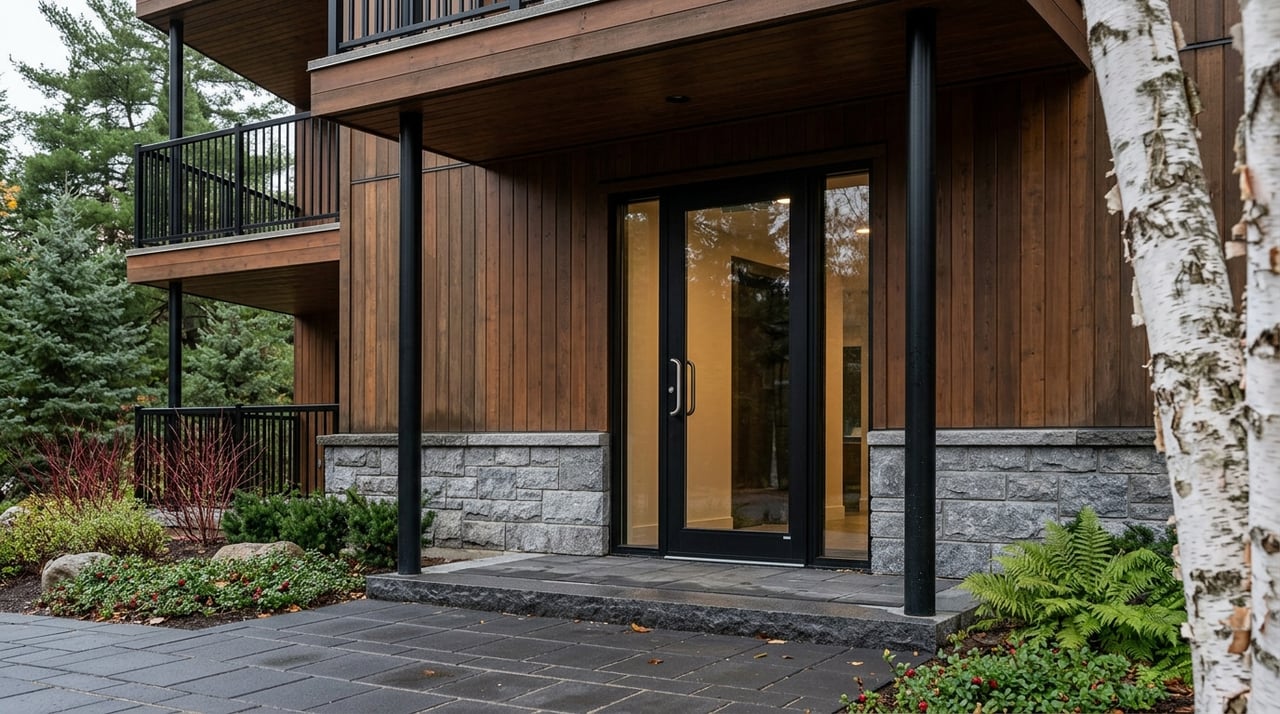
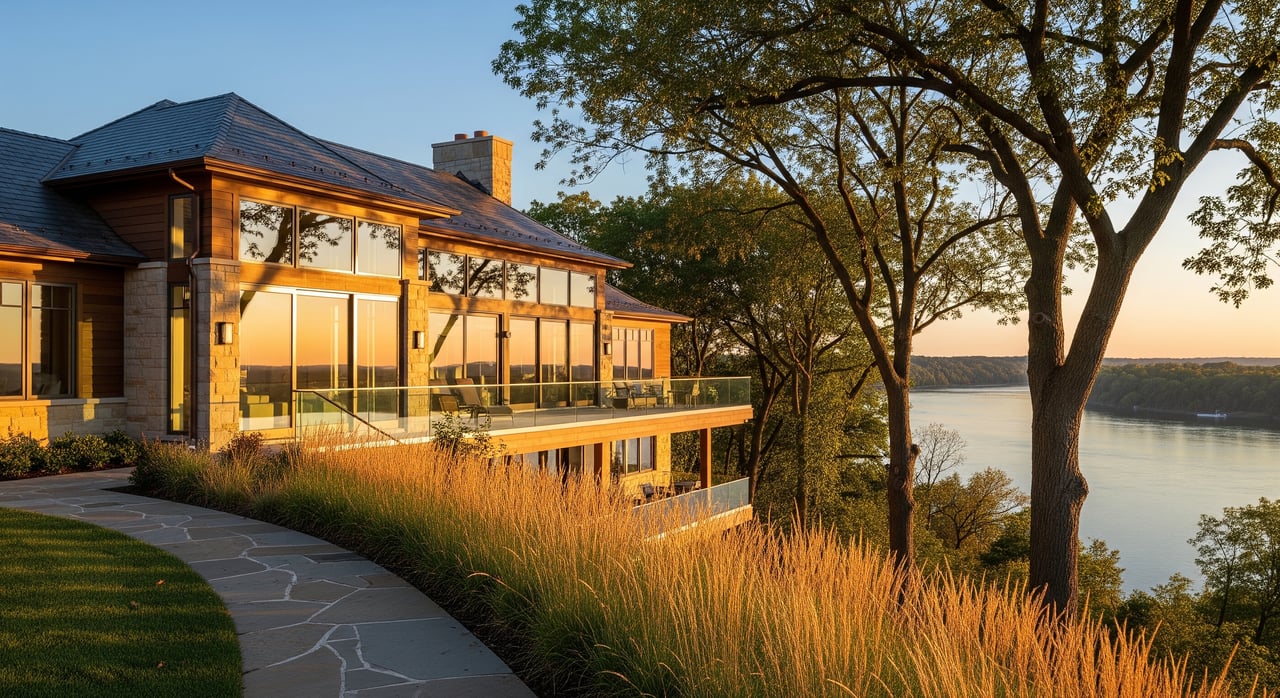
The dominant housing type is single-family detached homes. You’ll find mid-century ranches and split-levels, traditional two-stories from later suburban waves, and newer custom builds where infill has occurred. Some homes sit on bluff-adjacent parcels with elevated views, which can affect pricing.
Lot sizes are a draw. Many properties offer sizable yards, mature trees, and room for outdoor living. Townhomes and condos exist but are less common than in denser suburbs, so most buyers focus their search on single-family inventory.
Market conditions reflect the city’s size and appeal. Prices have historically trended above the Twin Cities metro median, driven by lot size, location, and school considerations. Activity is seasonal, with spring and summer seeing more listings and showings. Always review current comparables and market stats before making an offer or setting a list price.
What local buyers look for
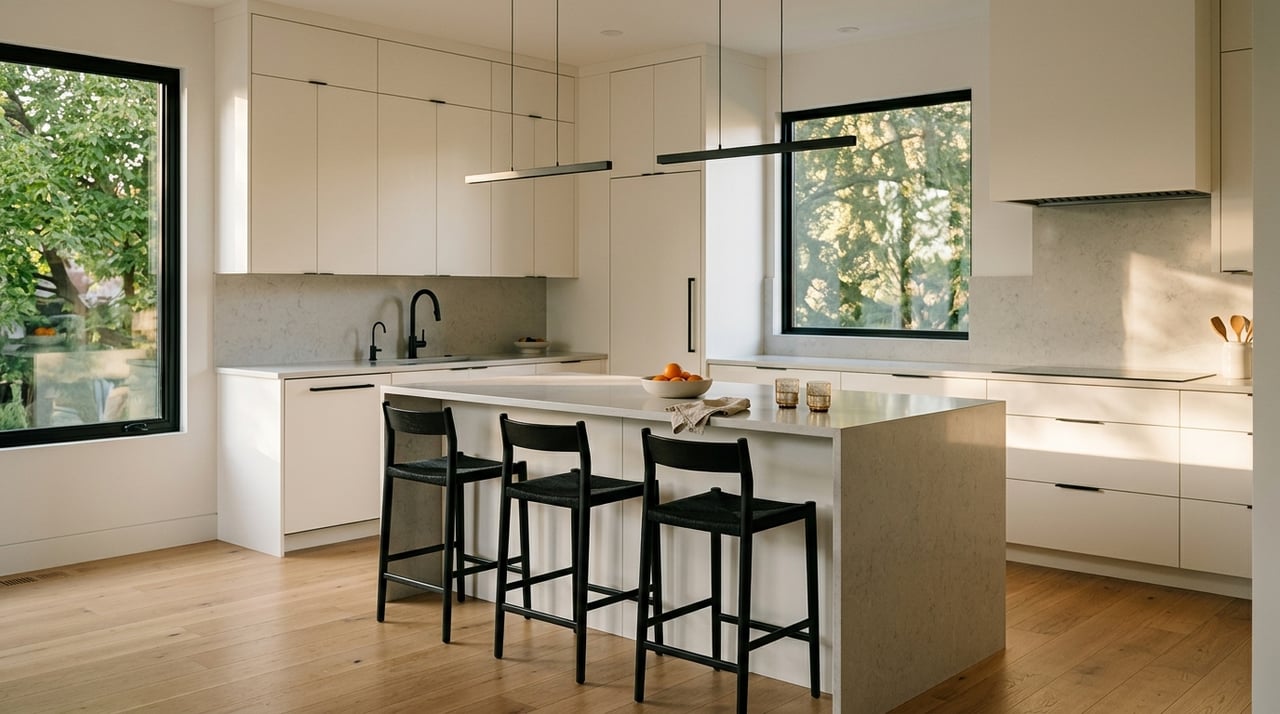
- Updated kitchens and baths
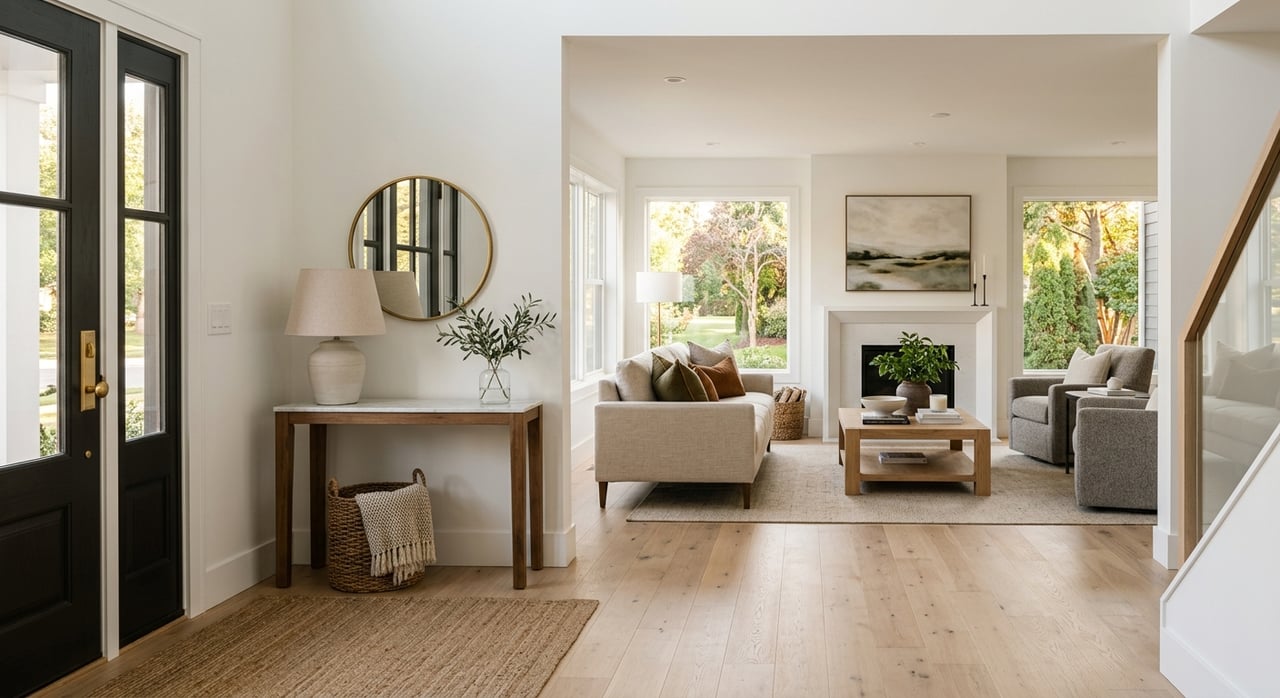
- Open, functional layouts and natural light
- Energy efficiency and mechanical updates
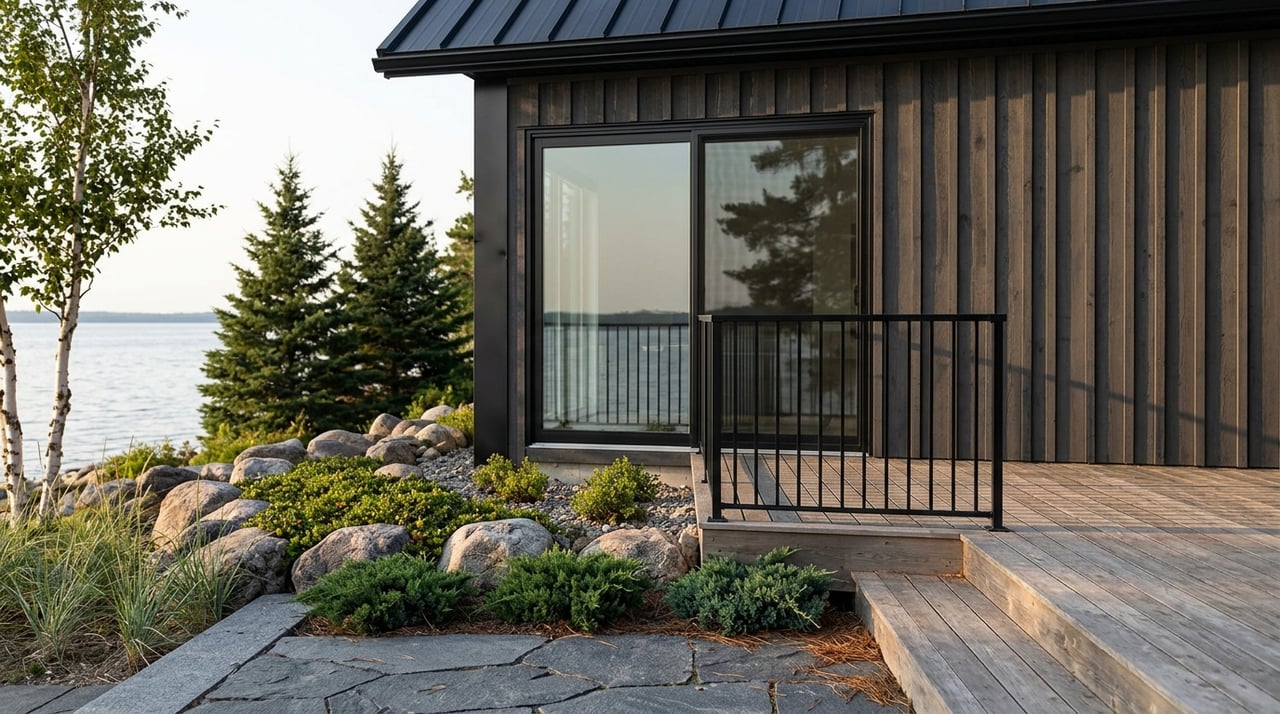
- Outdoor living spaces and quality landscaping
- Privacy, lot size, and, in some cases, river or bluff views
Schools and childcare
Much of Mendota Heights is served by Independent School District 197, which includes Mendota Heights, Eagan, and West St. Paul. The main public high school commonly associated with the area is Henry Sibley High School. School boundaries and program offerings can change, so verify any specific address with the district before you buy.
Many buyers consider local public schools a key factor in their search. Ratings vary by year. If schools are a priority, review official report cards and performance data and connect with the district to confirm transportation and program details for your address. Private and parochial options are available in the broader south metro, and you’ll find daycare, preschool, and after-school programs in Mendota Heights and nearby cities.
Getting around and commuting
Regional highway access makes Mendota Heights a practical base for commuting. Drives to downtown St. Paul are typically short, and access to Minneapolis depends on your route and traffic. Many residents work in St. Paul, around Minneapolis–Saint Paul International Airport, or in south-metro employment centers.
Public transit within city limits is more limited than in denser suburbs. You may use regional bus routes or park-and-ride options nearby, with light-rail connections requiring a drive or transfer. Local streets and trails support walking and biking for recreation, and some residents use regional trails for part of their commute.
If you fly often, MSP Airport is within a convenient driving distance. When evaluating homes, test your commute at rush hour and review your most-used arterials for predictability.
Parks, trails, and outdoor life
Outdoor space is a hallmark of Mendota Heights. River-adjacent open space and bluff land offer scenic walking and biking. Regional trails near the Mississippi and Minnesota Rivers connect you to broader park systems for hiking, birding, and water views.
You’ll also find golf options, private clubs, and larger parks in neighboring suburbs. If you value weekend time outside, the combination of yard space and access to regional greenways is a clear plus.
Daily life and amenities
Mendota Heights has a quieter commercial footprint than larger suburbs. Many residents shop or dine in nearby Eagan, South St. Paul, and other south-metro hubs. Grocery stores and everyday services are a short drive away, and clinics support local needs. Hospitals and specialty care are located in surrounding suburbs and St. Paul.
Civic life is active at a small-city scale. Community events, volunteer boards, and local government are accessible, while major arts and cultural options are a quick trip into the metro. The overall feel is residential first, with quick access to what you need nearby.
Who Mendota Heights fits
- You want a lower-density neighborhood with larger lots and mature trees.
- You prefer a quieter pace near St. Paul with drivable access to shops and dining.
- You value outdoor space, trails, and proximity to river corridors.
- You are comfortable with a drive-first lifestyle and selective transit options.
If you are leaning toward mid-to-upper-tier single-family homes and want an established community near the core cities, Mendota Heights likely belongs on your list.
Buyer checklist for Mendota Heights
Buying here calls for a few focused steps. Use this quick list to organize your search.
- Confirm school assignments for your exact address with the district.
- Review commute routes at peak times and locate nearby park-and-ride options if needed.
- Evaluate lot features such as bluff proximity, protection zones, or wetland areas.
- Budget for updates in older homes, including mechanicals, windows, and energy efficiency.
- Ask for recent comparables and days-on-market trends before making an offer.
- Order a thorough inspection and review city or county permit history if planning additions.
Seller playbook for stronger results
If you are selling in Mendota Heights, highlight what buyers value most.
- Showcase lot size, privacy, and outdoor living spaces.
- Present kitchen and bath updates clearly and emphasize natural light.
- Call out proximity to parks, trails, and the river corridor.
- Note school district information and encourage buyers to verify details.
- Invest in curb appeal, staging, and professional photography to make your lot and light shine.
- Price with current comparables and be mindful of seasonality for maximum exposure.
Environmental and permit considerations
Bluff and shoreland protections can shape what you can build or change on certain properties. If your home sits near river bluffs, wetlands, or conservation areas, some projects may require permits or environmental review. Before you plan additions or major landscaping, contact the city and county to confirm what is allowed on your specific lot.
A quick due diligence step is to pull permit history and verify any improvements were completed with final approvals. This reduces surprises during inspection and appraisal.
Property taxes and costs
Property taxes combine city, county, school district, and any special assessments. Rates can vary by year and property. Because home values in Mendota Heights often trend above the state median, some buyers find overall tax bills reflect that. Review the most recent tax statement for any property you are considering.
For budgeting, factor in utilities for larger lots, potential association fees for townhomes or condos, and expected maintenance for older homes. Your lender can help you model monthly costs with current taxes and insurance estimates.
Safety and community feel
Mendota Heights is widely viewed as a safe, low-crime community within the metro. As with any area, it is smart to review recent local crime data and talk with neighbors for a current read on the block. The city’s small scale supports an engaged civic environment with regular events and accessible local services.
How to decide if it is right for you
Start with your top three priorities. If you want space, access to parks and trails, and a short drive to St. Paul, Mendota Heights should compete strongly with nearby suburbs. If you prefer walkable retail and frequent transit within your neighborhood, you may want to compare options in denser areas.
A quick tour during both weekday rush hour and weekend afternoons will tell you a lot. Pair that with a review of recent sales on the blocks you like and a plan for any updates. With the right preparation, you can decide with confidence.
Ready to compare neighborhoods, fine-tune your budget, or explore on a curated tour? Reach out to the Warner Group for local, concierge-level guidance from search to closing. We combine decades of Mendota Heights experience with clear advice and a vetted partner network to keep the process smooth. Book a consult and we will tailor your plan to your goals.
FAQs
Is Mendota Heights a good fit for families?
- Many families choose Mendota Heights for larger lots, a quieter residential feel, parks, and access to local public schools. Verify school details for your exact address.
How are public schools in Mendota Heights?
- Much of the city is served by ISD 197, and the high school commonly associated is Henry Sibley High School. Check current boundaries and performance with official district sources before you buy.
What are commutes like to St. Paul and Minneapolis?
- Drives to St. Paul are typically short, with Minneapolis commutes depending on route and traffic. Most households rely on cars, with regional transit and park-and-ride options nearby.
Are there many condos or townhomes?
- Single-family homes dominate the housing stock. Townhomes and condos exist but are less common than in larger or denser suburbs.
What outdoor recreation can I expect?
- You will find river-bluff scenery, regional trails, and nearby parks that support walking, biking, and birding. Many homes also offer sizable yards for private outdoor time.
What should I know about property taxes?
- Taxes reflect city, county, and school district levies and can vary by property. Review the most recent tax statement and factor taxes into your monthly budget.
Do bluff or shoreland rules affect remodeling?
- Yes, projects near bluffs, shoreland, or wetlands may require permits and extra review. Confirm requirements with the city and county before you plan additions.