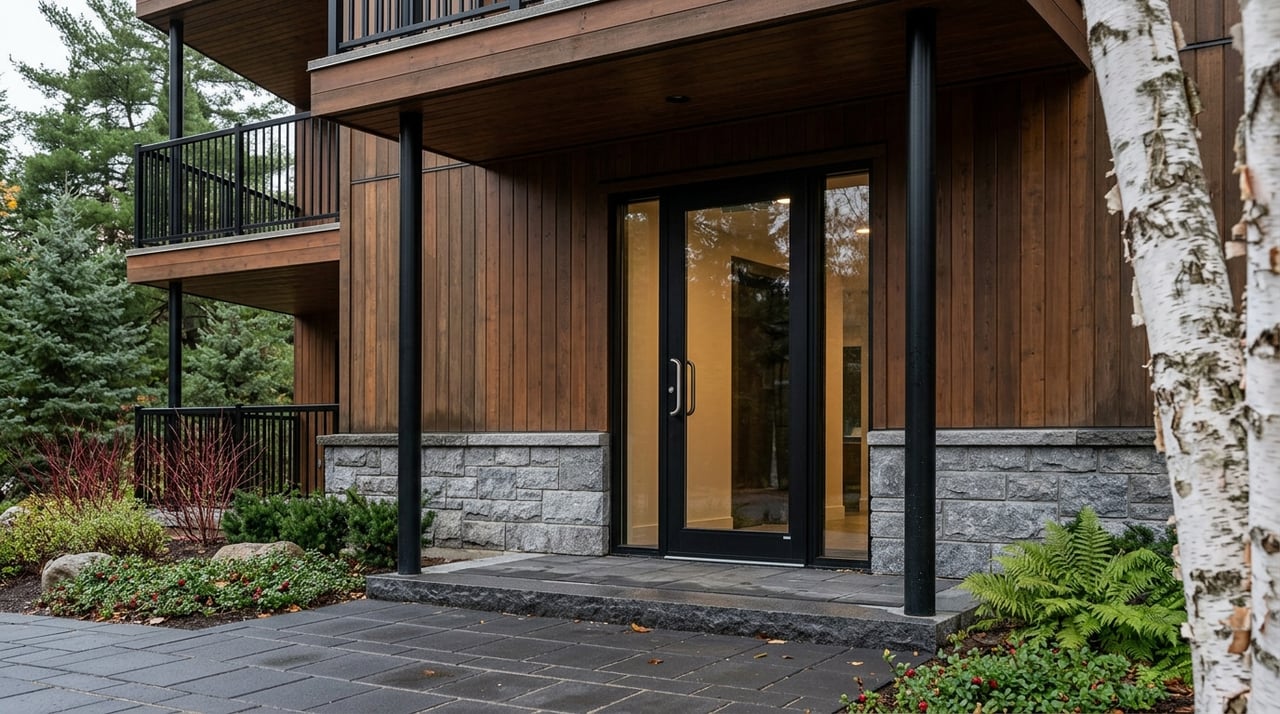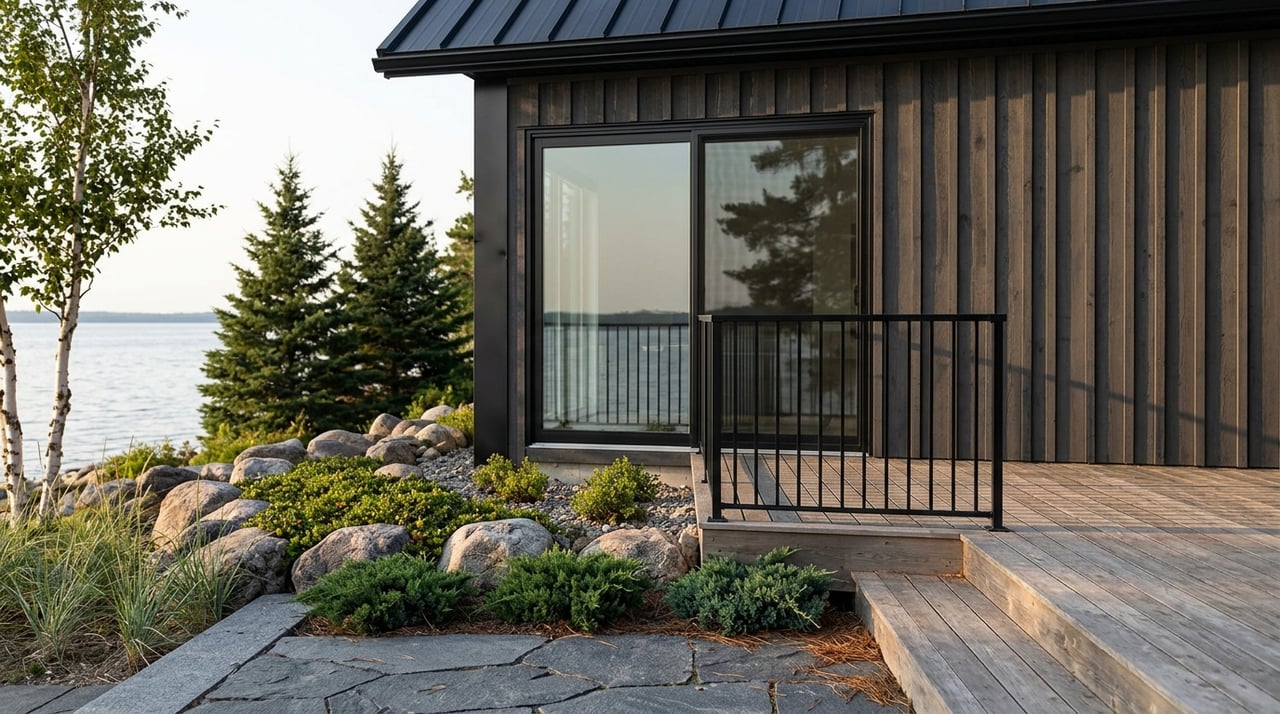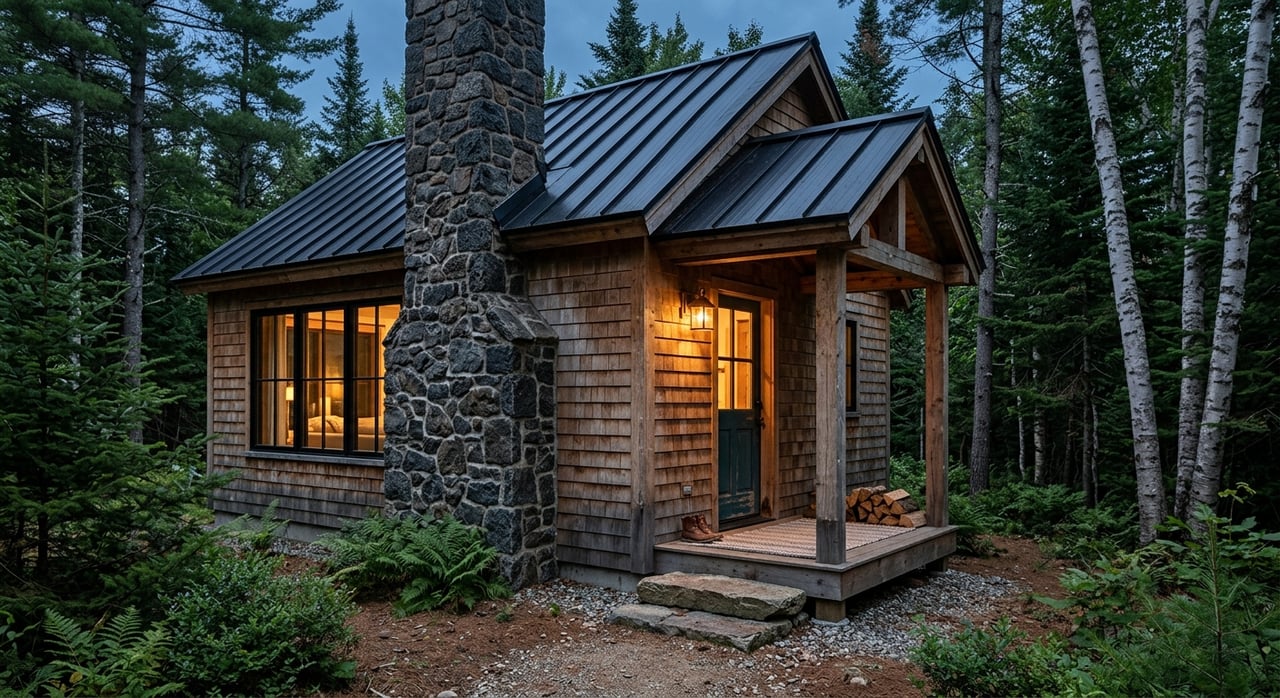
Dreaming of a place where Lake Superior mornings, harbor views, and trail access can become part of your regular routine? If you are thinking about owning a retreat in Grand Marais, you are probably looking for more than a house. You are looking for a base camp, a reset button, and a property that fits the rhythm of the North Shore. This guide will help you understand what makes Grand Marais unique, what kinds of retreat settings you may find, and what practical details matter before you buy. Let’s dive in.
Why Grand Marais Feels Different
Grand Marais offers a rare mix of remoteness and everyday function. The town sits on Lake Superior at the eastern edge of Superior National Forest, yet it still provides groceries, gas, restaurants, outfitters, lodging, hardware, a library, city and county services, medical facilities, and a visible arts community.
That balance matters when you are buying a retreat. You can enjoy the feeling of getting away without giving up the basics that make longer stays realistic. For many buyers, that is what turns Grand Marais from a vacation idea into a property worth serious consideration.
Getting to Grand Marais
One of the first things to think through is distance. Cook County is about four-and-a-half hours north of the Twin Cities, and Highway 61 is the main route north from Duluth toward Grand Marais and the Gunflint Trail.
That drive is part of the appeal for many North Shore buyers, but it also shapes how you use the property. A retreat here often works best when you plan longer weekends, seasonal stays, or extended time away rather than quick overnight trips.
What Retreat Living Looks Like Here
Grand Marais has the feel of a harbor town built around the outdoors. The city’s recreation area includes 300 campsites, a marina, two public water access ramps, and more than a mile of shoreline. The harbor launch ramp is also within walking distance of downtown restaurants and lodging.
That waterfront setup supports an active, flexible lifestyle. If you enjoy boating, paddling, fishing, or simply being near the water, you will notice quickly that access is not just scenic here. It is built into how the town functions.
Four-Season Appeal Matters
A Grand Marais retreat is not only a summer property story. Seasonal activities shift throughout the year, with summer bringing hiking, biking, boating, kayaking, canoeing, fishing, and outdoor markets. In winter, the focus moves to cross-country skiing, snowshoeing, snowmobiling, fat-tire biking, skiing, and snowboarding.
The downtown ski trail system includes 52.9 kilometers of groomed cross-country ski trails within minutes of downtown. That makes year-round ownership especially attractive if you want a retreat you will actually use in more than one season.
Winter Changes How You Plan
Owning in Grand Marais means taking winter seriously. NOAA climate normals for the Grand Marais station show average annual snowfall of 50.9 inches, with January averaging 15.6 inches and December 13.4 inches. Winter monthly mean temperatures are well below freezing.
For buyers, this does not mean avoiding the market. It means planning with intention. A North Shore retreat can absolutely support year-round use, but it usually needs a winter-ready mindset instead of the more casual approach you might take with a suburban second home.
In-Town Ownership Practicalities
If you are looking at homes or cottages in town, local rules can affect day-to-day use. Grand Marais uses calendar parking from November 15 through April 15 and restricts overnight street parking in several downtown corridors.
That is a simple but important reminder that snow management is part of ownership. If you are considering a walkable in-town property, it is worth thinking through parking, winter access, and how you will handle arrivals during active snow periods.
Amenities That Support Longer Stays
A retreat works better when the town around it is functional. Grand Marais offers public library access, municipal utilities, EV charging, harbor access, and public services that help support both seasonal use and longer-term stays.
The city’s Public Utilities Commission oversees electric, water, and sewer service, which is especially relevant for town properties. That kind of infrastructure can make ownership feel more manageable, especially if you want a place that is comfortable beyond peak vacation months.
Arts and Dining Add Staying Power
Grand Marais is not just about scenery. It is also known for a strong arts identity. The Grand Marais Art Colony has been part of the North Shore for more than 75 years and stays open to the public year-round, while North House Folk School hosts more than 350 classes and serves about 3,000 students each year with a focus on traditional northern craft.
That steady arts presence gives the town depth across the calendar. Whether you visit in February or July, there is an established creative culture that adds texture to everyday life.
Dining also plays a real role in the retreat experience. Official visitor listings highlight year-round or largely year-round options including Angry Trout Cafe, Gun Flint Tavern, The Fisherman’s Daughter, Up Yonder, and Voyageur Brewing. For buyers, that helps reinforce the idea that Grand Marais is both a destination and a functioning small town.
Common Grand Marais Retreat Settings
When you start browsing properties, it helps to think less about strict home styles and more about the setting you want. Around Grand Marais, three retreat patterns stand out clearly.
Harbor-Adjacent Homes
These are the in-town cottages, cabins, or older homes that put you close to the harbor, downtown businesses, restaurants, and arts spaces. This setting often appeals to buyers who want walkability, quick access to the waterfront, and a property that feels connected to the town itself.
If your ideal retreat includes morning coffee near the harbor and easy access to restaurants or classes, this may be the right fit. The tradeoff is usually less separation from town activity and a greater need to think through parking and winter logistics.
Wooded Properties Near Town
Another common option is a property on wooded or semi-secluded land just outside downtown. These settings can offer a quieter feel, some privacy, and views that still keep you connected to Grand Marais without placing you right in the center of it.
For many buyers, this is the middle ground. You get a retreat atmosphere with easier access to town services, dining, and the harbor than you might find farther out.
Lake and Trail-Oriented Retreats
Some buyers want privacy and outdoor access above all else. Properties near inland lakes, along the Lake Superior shore, or out toward the Gunflint Trail often fit that goal best.
The Gunflint Trail begins in Grand Marais and runs 57 miles toward the edge of the Boundary Waters. A property in this broader area may offer a more secluded experience, but it can also mean longer drive times, more planning, and a stronger focus on seasonal access.
How to Match the Setting to Your Goals
Before you tour homes, it helps to define how you want to use the property. A walkable in-town retreat suits buyers who want convenience, dining, harbor activity, and simpler access to everyday services. A wooded setting near town can balance privacy with practicality.
If your goal is a quieter base for paddling, trail use, or a stronger sense of separation, a lake-proximate or wilderness-edge property may be a better fit. The right choice depends less on square footage and more on how you picture spending your time when you are there.
Why Grand Marais Works Beyond Tourism
Tourism is Cook County’s largest industry, and the local economic development authority notes that it has grown into year-round business opportunities tied to outdoor recreation, hospitality, retail, and the arts.
That helps explain why Grand Marais can feel both lively and grounded. You are not just buying into a seasonal destination. You are considering a small community with a year-round economy, established services, and a strong identity tied to both visitors and local daily life.
What Buyers Should Think Through Early
A thoughtful Grand Marais purchase usually starts with a few practical questions:
- How often will you realistically use the property?
- Do you want to be able to walk to downtown and the harbor?
- Are you comfortable with winter weather planning and snow-related logistics?
- Would you rather have town services close by or more privacy farther out?
- Will your ideal retreat revolve around water access, arts and dining, or trail use?
These questions can narrow your search quickly. They also help you focus on fit, which is often more important than features alone in a retreat market.
Why Local Guidance Helps
Buying a North Shore retreat is often about lifestyle alignment as much as property details. You may be comparing in-town convenience with wooded privacy, or balancing harbor access against a more secluded setting farther from services.
That is where a clear, process-driven approach can help. With the right guidance, you can sort through the options, compare settings realistically, and move forward with a plan that fits how you want to live and use the home.
If you are considering a retreat purchase in Grand Marais or exploring a Minnesota lifestyle move, Warner Group can help you think through your goals, evaluate your options, and take the next step with confidence.
FAQs
What makes Grand Marais appealing for a North Shore retreat?
- Grand Marais combines Lake Superior access, outdoor recreation, a year-round arts presence, and practical amenities like groceries, hardware, medical facilities, and public services.
What kinds of retreat properties are common in Grand Marais?
- Buyers often look at three broad settings: harbor-adjacent homes in town, wooded properties near downtown, and lake or trail-oriented retreats farther from town.
Is Grand Marais suitable for year-round property use?
- Yes, Grand Marais supports four-season use, with activities and services available across the year, but winter ownership requires more planning because of snowfall, freezing temperatures, and parking rules.
What should buyers know about winter in Grand Marais?
- Average annual snowfall is 50.9 inches, winter temperatures are well below freezing, and the city uses calendar parking from November 15 through April 15 in ways that affect overnight street parking.
How far is Grand Marais from the Twin Cities?
- Cook County is about four-and-a-half hours north of the Twin Cities, with Highway 61 serving as the main route from Duluth toward Grand Marais.
Does Grand Marais offer more than seasonal tourism?
- Yes, the town has year-round business activity tied to outdoor recreation, hospitality, retail, and the arts, which helps it function as both a destination and a small community.