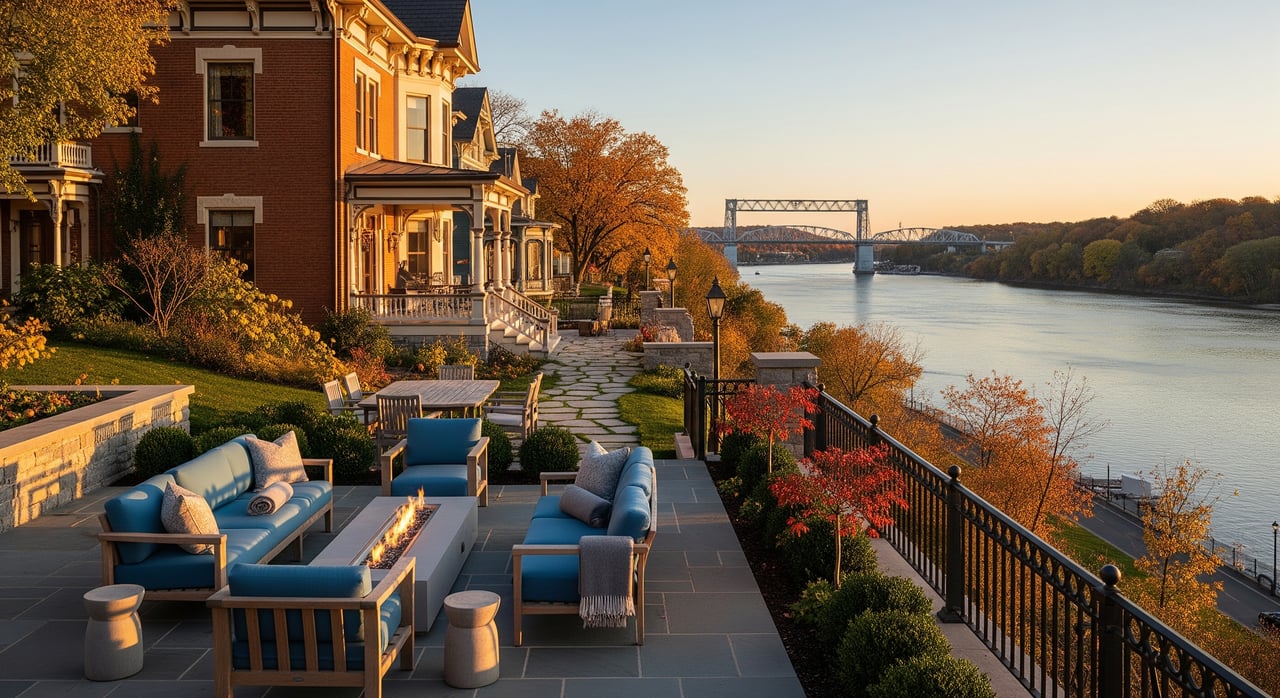
Imagine waking up to sunrise over the St. Croix River, then strolling a historic Main Street for coffee before a bike ride on a paved trail. If that sounds like your pace, Stillwater may be a fit. You want beauty and charm without giving up daily convenience, plus a clear view of what living here truly feels like. This guide walks you through neighborhoods, outdoor life, weekend rhythms, and commute tips so you can picture your day-to-day with confidence. Let’s dive in.
Why Stillwater stands out
Stillwater sits on Minnesota’s side of the St. Croix River, just across from western Wisconsin. It is the historic county seat of Washington County and part of the greater Twin Cities metro. The river and the bluff-top setting shape how the city looks, moves, and feels.
Downtown Stillwater is known for 19th-century architecture and a walkable Main Street filled with shops and restaurants. The historic Lift Bridge is a beloved landmark and now serves people on foot and bike. For drivers, the newer St. Croix Crossing handles cross-river traffic and eases regional travel.
Housing at a glance
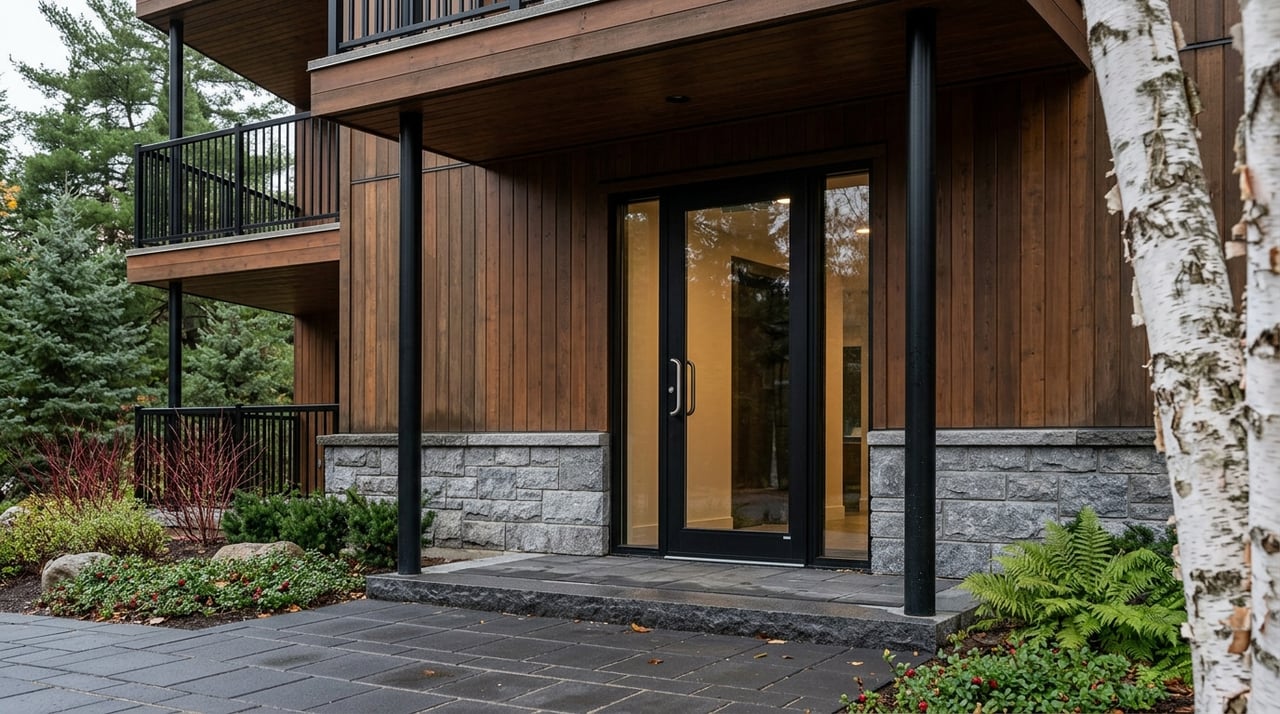
Stillwater offers riverfront living, classic in-town streets, and newer suburban neighborhoods. You can choose a historic home near downtown, a modern condo with views, or a larger lot farther from the river.
Riverfront living
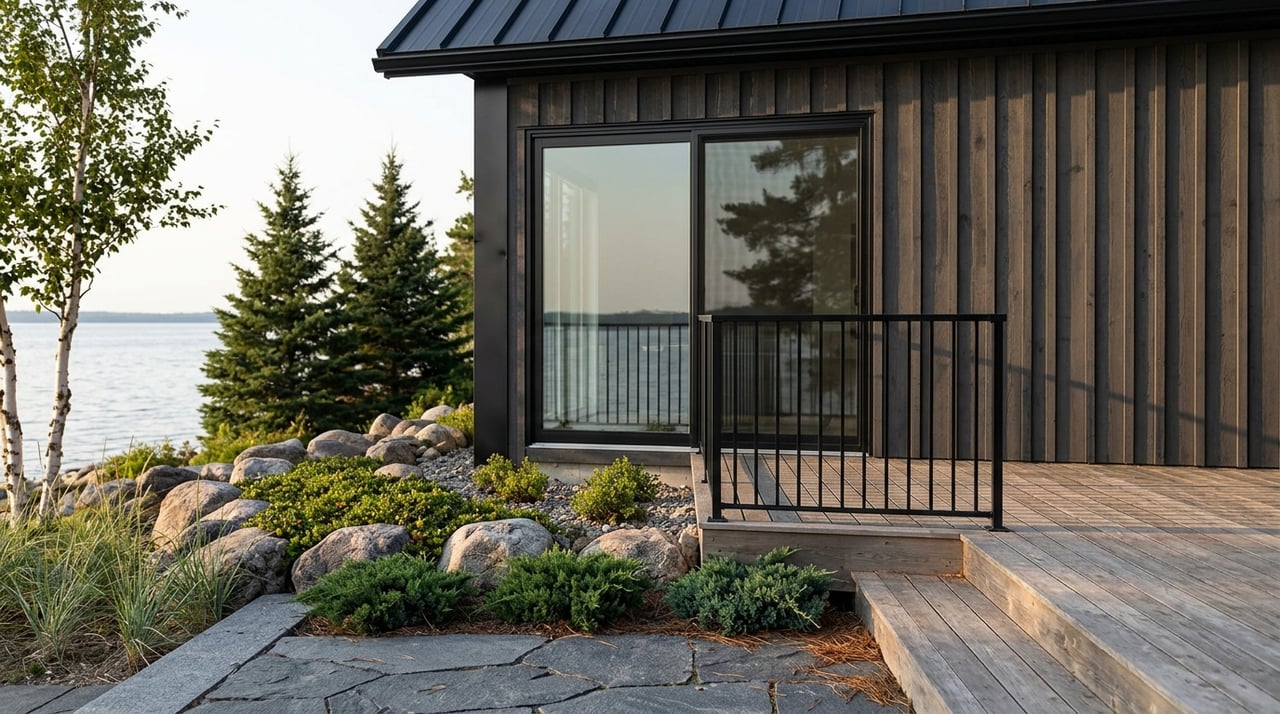
Many river-adjacent homes sit on bluffs or along the shoreline. You will find historic properties with character, waterfront condos or lofts near downtown, and homes with boat access. These parcels tend to be more regulated, with bluff and shoreline protections that guide what you can build or change. Expect more visitor activity in summer and fall, which can affect parking and local traffic near the river.
Inland neighborhoods
Move a bit away from the river and you see newer single-family subdivisions and townhomes. These areas often feature larger lots, newer construction, and more direct access to main roads. If you prefer a quieter street scene with suburban convenience, inland neighborhoods are a strong match.
Architectural styles
- Historic core: Victorian-era and early 20th-century homes, plus brick commercial façades framing Main Street.
- Established neighborhoods: bungalow and Colonial Revival homes from the mid-20th century.
- Newer construction: suburban single-family, townhomes, and condo communities that appeal to commuters and downsizers.
Buyer checkpoints for historic or riverfront homes
Before you write an offer, plan to review:
- Structural condition and mechanical systems in older homes.
- Flood and bluff-stability specifics for the parcel you’re considering.
- Historic district rules that may guide exterior updates.
- Parking and access during peak tourist weekends.
Parks, trails, and river life
Outdoor time is easy here. The St. Croix River is part of a protected corridor that supports conservation and recreation. You can get on the water, walk the shoreline, or head up to the bluffs for a view.
Everyday access to the St. Croix
Boating, kayaking, paddleboarding, and riverside walks are part of daily life for many residents. Public riverfront parks and access points make it simple to launch a paddle craft or take an evening stroll. Seasonal fishing is popular, and the scenic setting adds a calm backdrop year-round.
Nearby state parks
You are a short drive from William O’Brien State Park and Afton State Park. Residents regularly go for hiking, birding, camping, and fall-color viewing. Trail systems change with the seasons, so you can trade paddling and biking in summer for cross-country skiing or snowshoeing in winter.
Local trails you will use
The paved Brown’s Creek State Trail connects Stillwater with the regional trail network. It is a favorite of cyclists and runners, and it supports short local trips by bike or foot. City and county trails also link neighborhoods with parks and downtown, which helps you move around town without a car during fair weather.
Weekends, dining, and daily needs
Stillwater’s weekend rhythm centers on the riverfront and Main Street. The scene shifts with the seasons, but you can always find a casual spot to eat, shop, or relax.
Downtown shops and dining
Independent boutiques, antique stores, galleries, and restaurants line the compact downtown blocks. Local breweries and small producers add to a relaxed food-and-beverage culture. Summer and fall weekends bring more visitors, which adds energy but can mean longer waits and tighter parking near the river.
Arts and events
Museums, historic sites, and seasonal public events keep the calendar full. The preserved downtown architecture makes self-guided walking tours both easy and rewarding. Community gatherings and concerts often use riverside parks, which gives you front-row access to local culture.
Everyday services
Grocery stores, banks, clinics, and day-to-day retail are available in town and nearby suburbs. For hospitals and specialty care, you have larger options throughout the Twin Cities. Stillwater Area Public Schools (ISD 834) and regional private or parochial schools serve local families.
Commute and getting around
Many residents work across the Twin Cities. Your route depends on destination and time of day, and it can change with seasons and events.
Cross-river bridges
The modern St. Croix Crossing connects Stillwater to Wisconsin and carries regular vehicular traffic. The historic Lift Bridge operates as a pedestrian and bicycle crossing and remains a central landmark. Event days and seasonal maintenance can affect local traffic patterns near both bridges.
Twin Cities routes
Common driving routes include MN-36, I-94, and MN-95. Peak hours and holiday weekends can extend travel times, especially near downtown and along riverfront corridors. Planning your departure around traffic patterns helps keep commutes predictable.
Transit and active options
Regional bus services and park-and-ride options serve the eastern metro. There is no direct light rail from Stillwater to downtown Minneapolis, so most commuters drive or use regional buses. For shorter trips, local walking routes and Brown’s Creek State Trail make bike or foot travel a practical option when weather allows.
Seasonal impacts
Winter snow and ice slow traffic and can extend commute times. Agencies coordinate on plowing and alerts, and residents plan for extra time on the road. In summer and fall, visitor traffic and events can tighten parking and add local congestion near the riverfront.
Is riverfront living right for you?
Riverfront and historic-district homes offer a signature Stillwater lifestyle. The tradeoffs are real, but so are the rewards.
- Pros: sweeping views, direct water access, a walkable downtown, and strong historic character.
- Cons: higher purchase and maintenance costs, tighter rules on building or exterior changes, more seasonal foot traffic and parking pressure near the river.
If you want daily access to the river and downtown amenities, the premium can be well worth it. If you prefer quiet streets, larger yards, and simple drive times, an inland neighborhood may be the better fit.
How Warner Group helps you move with confidence
Choosing between a bluff-top Victorian, a downtown condo, or a newer home inland is easier with a clear plan. Warner Group brings decades of Twin Cities experience, cross-border licensure in Minnesota and Wisconsin, and a personalized, high-touch approach. You get end-to-end support: buyer and seller representation, comparative market analyses, skilled negotiation, and a curated network of lenders, inspectors, stagers, and attorneys.
We help you weigh riverfront rules, historic-district guidelines, and maintenance needs so you buy or sell with no surprises. If you are relocating across MN and WI, we streamline logistics and keep communication simple. Ready to explore Stillwater homes or talk strategy for your sale? Connect with the Warner Group to Book an Appointment.
FAQs
What is daily life like in downtown Stillwater?
- Expect a walkable Main Street with shops and restaurants, riverfront parks, and a lively scene that peaks in summer and fall.
How does commuting from Stillwater to Minneapolis or St. Paul work?
- Most residents drive via MN-36, I-94, or MN-95; regional buses and park-and-rides serve the eastern metro, but there is no direct light rail from Stillwater.
Which housing styles are common in Stillwater, MN?
- You will see Victorian-era homes, bungalows, Colonial Revival houses, and newer single-family, townhome, and condo developments.
How does tourism affect residents on weekends?
- Summer and fall bring more visitors downtown, which adds energy but can increase parking demand, restaurant wait times, and local traffic.
Are there parks and trails close to Stillwater neighborhoods?
- Yes, residents use Brown’s Creek State Trail, city greenways, and nearby state parks like William O’Brien and Afton for year-round recreation.
What should I check before buying a historic or riverfront property in Stillwater?
- Review structural systems, parcel-specific flood or bluff considerations, any historic-district rules, and parking or access during peak seasons.
Which schools serve Stillwater residents?
- Stillwater Area Public Schools (ISD 834) serves the area, with additional private and parochial options available in the region.